

How to Find Hidden Vintage Gems While Thrifting
Written by: Chloe Powell
Every thrifter wants the thrill of telling the “origin” story of where they found a particular vintage item. Whether you’re hoping to find a leather handbag with character, a perfectly broken-in denim jacket or a statement piece of jewelry, every thrift store represents the potential to surprise you. The challenge is in knowing how to separate genuine vintage treasures from everything else.
Know What Counts as Vintage
Social media is filled with videos of dusty little shops where a thrifter found the ultimate brand-name buy at a fraction of its worth. Generally, clothing and accessories from the 2000s or earlier are considered prime finds, and these styles are now making their way onto thrift store racks. Age may factor into value, but condition, craftsmanship, quality materials and rarity all play a role. Plus, the find should be interesting.
Rather than focus on a designer label, consider how well an item was made. A beautifully constructed wool coat or leather handbag from a lesser-known brand may outlast newer luxury pieces made with lower-quality materials. You’ll likely find vintage Coach bags, Levi’s denim, Pendleton wool and Dooney & Bourke purses when you check the right spot.
Understand Why Thrifting Is Gaining Popularity
What started as bargain hunting has grown into a subculture. Today, thrifting is a lifestyle choice fueled by shoppers who want unique finds, better craftsmanship and alternatives to fast fashion. The secondhand market is valued at $56 billion, and the average thrifter like you saves around $1,452 annually. The rise of conscious consumerism and the anti-dupe movement has also encouraged more people to seek authentic, one-of-a-kind pieces instead of mass-produced trends.
That growing interest means thrift stores source widely, from everyday basics to genuine vintage treasures. Knowing how to recognize those hidden gems gives you a much better chance of leaving with something special at bargain pricing.
Learn to Read Clothing Labels
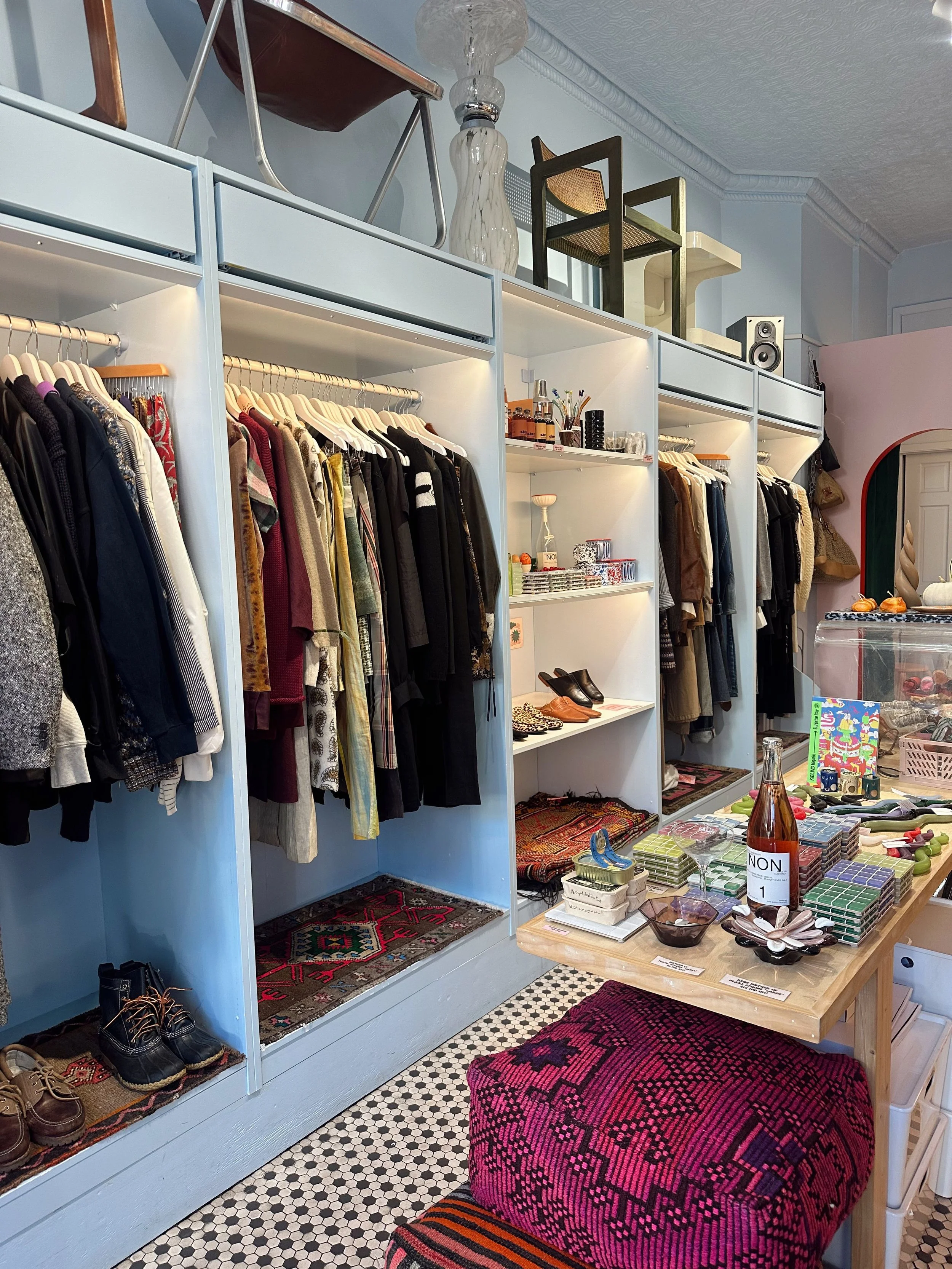
One of the fastest ways to identify a vintage find is by checking the label. Clothing tags often reveal when and where an item was made, along with clues about its age. If you’re unsure about a label, the Vintage Fashion Guild Label Resource is your online guru for identifying older clothing brands and dating vintage pieces. Look for details to feed into the resource, such as:
Original brand labels with older typography or logos
Union labels that appear on many American-made garments
“Made in USA,” “Made in Italy” or similar manufacturing labels
Fabric content tags featuring natural materials
Older metal zippers and solid hardware
Prioritize Quality Materials
One advantage of shopping secondhand is finding high-quality materials that would cost significantly more if purchased new. Keep an eye out for linen, cotton, silk, wool, cashmere or genuine leather.
Natural fibers often age better than synthetic fabrics and are easier to repair, tailor or upcycle. They also support more sustainable shopping habits by extending the "shelf-life" of clothing, reducing the demand for fast fashion. You can invest in materials and fibers that decompose naturally when disposed of, unlike synthetic fabrics that may take decades to break down.
Look Beyond the Clothing Racks
Some of the best vintage finds may be found beyond the clothing rack.
Authentic and Stamped Jewelry
Check sterling silver stamps, gold-filled markings and unique costume jewelry. Vintage brooches, charm bracelets and statement earrings often hide in small display cases or are mixed in bins.
Handbags and Shoes
Vintage bags are one of the biggest success stories in the resale market. While finding a luxury designer bag is rare, it does happen. For example, an early-2000s Chanel shoulder bag made from python skin is worth about $15,000 today, and finding one is an incredible adventure.
Even if you never find such a jewel, look for full-grain leather, sturdy stitching and quality hardware. These features often indicate a well-made bag that will last for years.
Scarves and Belts
Silk or cashmere scarves with hand-rolled edges, woven leather belts and solid brass buckles are all worth a second look. They’re timeless accessories that can elevate modern outfits without breaking the bank.
Visit More Than One Type of Thrift Store
Whether you want to thrift at a tucked-away local shop or a chain secondhand store, there are plenty of options. Consider checking:
Goodwill
Salvation Army
Buffalo Exchange
Savers
Value Village
Plato’s Closet
Habitat for Humanity ReStore
St. Vincent de Paul
Local thrift boutiques
Estate sales
Yard sales
Flea markets
If you’re planning a thrift-focused trip, some cities are especially rewarding. Riverside, California, Atlanta, Georgia and Columbus, Ohio, are ranked among the best places to thrift. These locations offer higher store concentrations with favorable reviews, flea markets and secondhand retailers.
Use Strategies to Become an Experienced Bargain Hunter
Finding vintage treasures may feel like luck, but simple habits improve your chances of success. Use these tips to get you started.
Tip
Why It Helps
Shop with a goal
Focus on specific items to avoid feeling overwhelmed.
Ask about restock days
Visit when new donations are most likely to hit the sales floor.
Shop off-season
You'll often find the best deals on out-of-season clothing.
Dress comfortably
You'll spend more time browsing and trying things on than you expect.
Expect different sizing
Vintage sizing varies, so always try items on when possible, or know how to measure on the fly.
Buy with purpose
Choose pieces you'll actually wear instead of impulse buying.
Have an inspection list
Check all finds carefully, being mindful of damage to holes, hems, buttons or zippers.
The Best Finds Reward Patience
The best shoppers have a plan. They’re the ones who slow down, inspect every shelf and recognize quality when they see it. Whether you discover a leather jacket, a crocodile-skin satchel or a piece of vintage jewelry with decades of history, every successful thrift trip starts with knowing what to look for.