

How to Choose and Use Hair Styling Tools Safely and Effectively
Why Your Tool Choices Matter More Than You Think
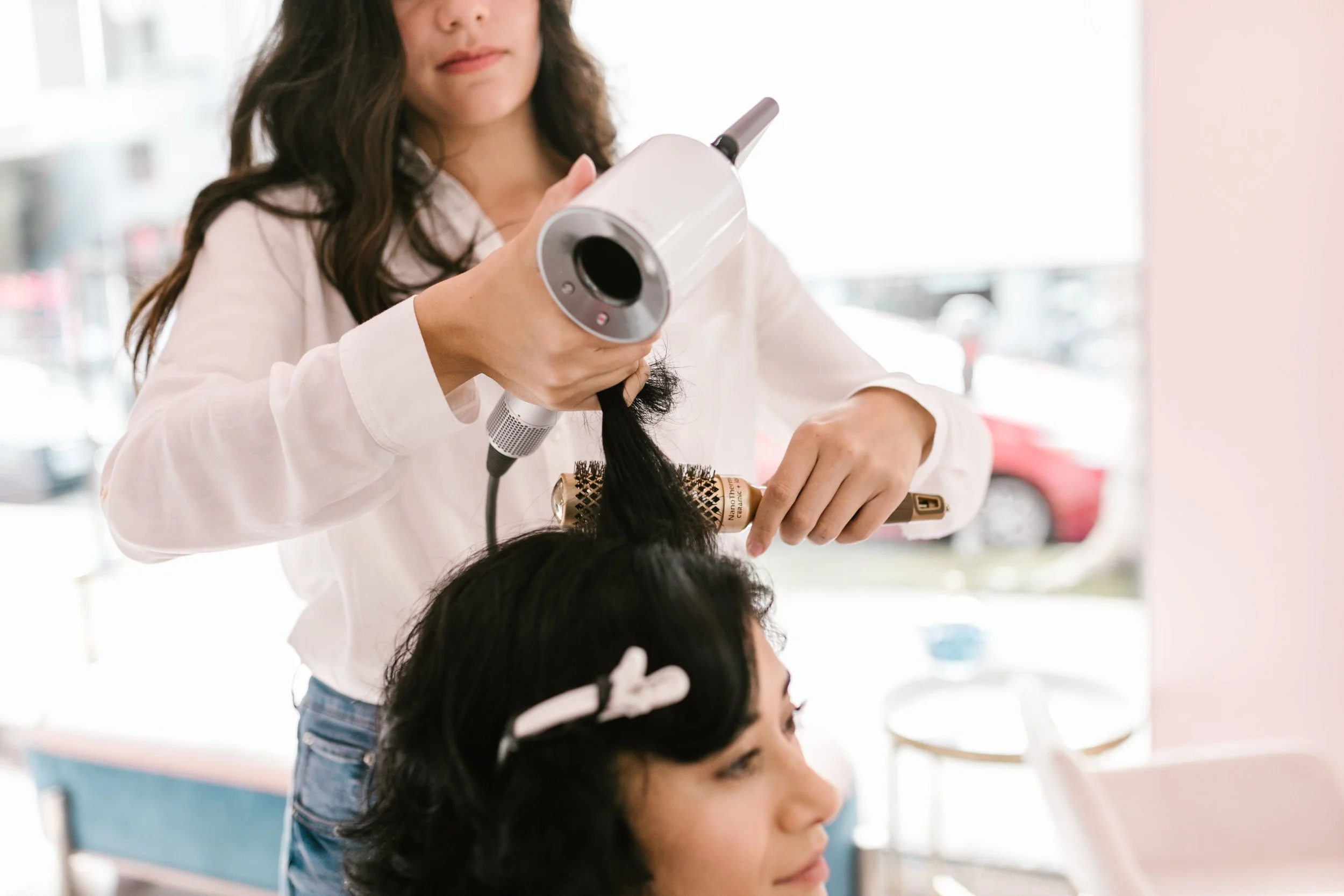
Millions of people reach for a blow dryer, flat iron, or curling wand every single day—often without much thought about whether they're using the right tool or using it correctly. That gap in knowledge has real consequences: improper heat application leads to thermal damage, breakage, dryness, and faster color fade. Today's Dyson hair styling products and comparable tools show just how much the industry has evolved, blending efficient styling with smarter heat control and airflow management—yet even the most advanced device can do damage in the wrong hands. This guide walks you through how to evaluate your options, understand what the features actually mean, and build habits that keep your hair healthy over the long haul.
Understanding Your Hair: The Foundation of Every Good Decision
Before you invest in any tool, it's worth getting familiar with a few fundamental characteristics of your hair: texture (straight, wavy, curly, or coily), thickness, and porosity—that is, how readily your hair absorbs and releases moisture. High-porosity hair, for instance, takes in heat more quickly and can be more vulnerable to damage at elevated temperatures.
Fine or chemically treated hair generally calls for lower heat settings and gentler airflow.
Coarse or highly textured hair may handle higher temperatures more comfortably, but that's never a license to be careless.
Key takeaway: There's no universally "best" tool. What works comes down to your hair type and what you're trying to achieve.
Key Features to Look For in Any Styling Tool
When comparing tools, two features rise above the rest: adjustable temperature settings and even heat distribution. Fixed-heat tools create "hot spots" that repeatedly stress the same sections of hair, gradually lifting the cuticle and eroding elasticity.
Many modern styling tools now include intelligent heat sensors that hold a consistent temperature throughout use, while others lean into airflow-focused styling rather than direct high heat—lowering the risk of scorching without sacrificing smooth or defined results. Thoughtfully designed attachments—diffusers, concentrators, smoothing brushes, and curling barrels—let a single tool serve multiple hair types and styling goals, making your routine both more versatile and potentially gentler on your hair.
Before buying, compare these factors: heat control range, available attachments, weight and ergonomics, and noise level.
Matching Tools to Your Styling Goals
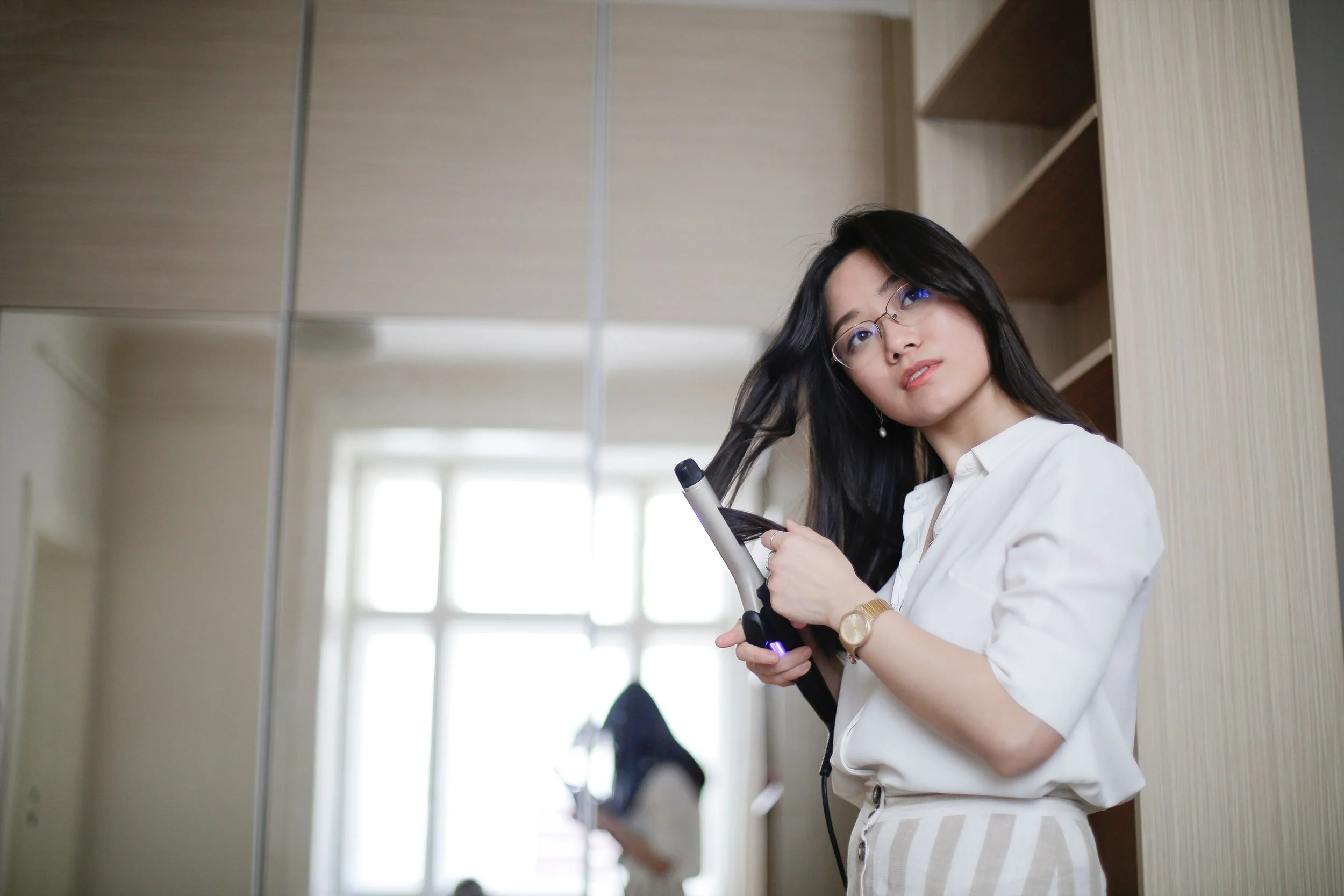
For smoothing and straightening, always begin at the lowest temperature that gets the job done, work in small sections, and resist the urge to make repeated passes over the same strand. For curl definition, barrel size determines the curl type, and timing is everything—holding a tool in place too long scorches the hair shaft. A simple but effective trick: let curls cool in their shape before releasing them, which improves hold without any additional heat exposure.
If your goal is to enhance your natural texture, diffusers and low-heat drying are your best allies. Directing airflow gently rather than blasting it at full force reduces frizz and helps preserve your curl pattern. Working with your hair's natural structure rather than against it also means less total heat exposure over time—which adds up.
Tip: If you see steam that isn't just product evaporating, your tool is almost certainly running too hot for your hair.
Safe Usage Practices That Make a Real Difference
Even the most sophisticated tools cause damage when they're misused. A practical safe-styling routine breaks down like this:
Prep your hair—make sure it isn't soaking wet, and apply a heat protectant
Dial in the right temperature for your hair type
Work in small, manageable sections
Let your hair cool fully before touching or pinning it
Clean filters, vents, and plates regularly to keep performance consistent
Tool maintenance is one of the most overlooked aspects of safe styling. Dust and product buildup restrict airflow and can trigger unpredictable temperature spikes—something as simple as cleaning a filter can make a noticeable difference in both safety and results.
Putting Safe, Effective Hair Styling Into Practice
Long-term hair health comes from pairing informed tool choices with consistent protective habits—not from chasing the latest device or brand. Understanding your hair's porosity and heat sensitivity, choosing tools with reliable temperature control and the right attachments, and building a routine that includes heat-free days and proper prep will do far more for your hair than any equipment upgrade on its own.
If your hair is significantly damaged or your needs feel complex, a consultation with a professional stylist or trichologist can offer personalized guidance that no article can fully replicate.
Key takeaway: The safest, most effective styling comes from matching the right tools to your hair type and using them with care and intention.