

Thrusting Dildo vs Manual Dildo: Which Feels More Satisfying?
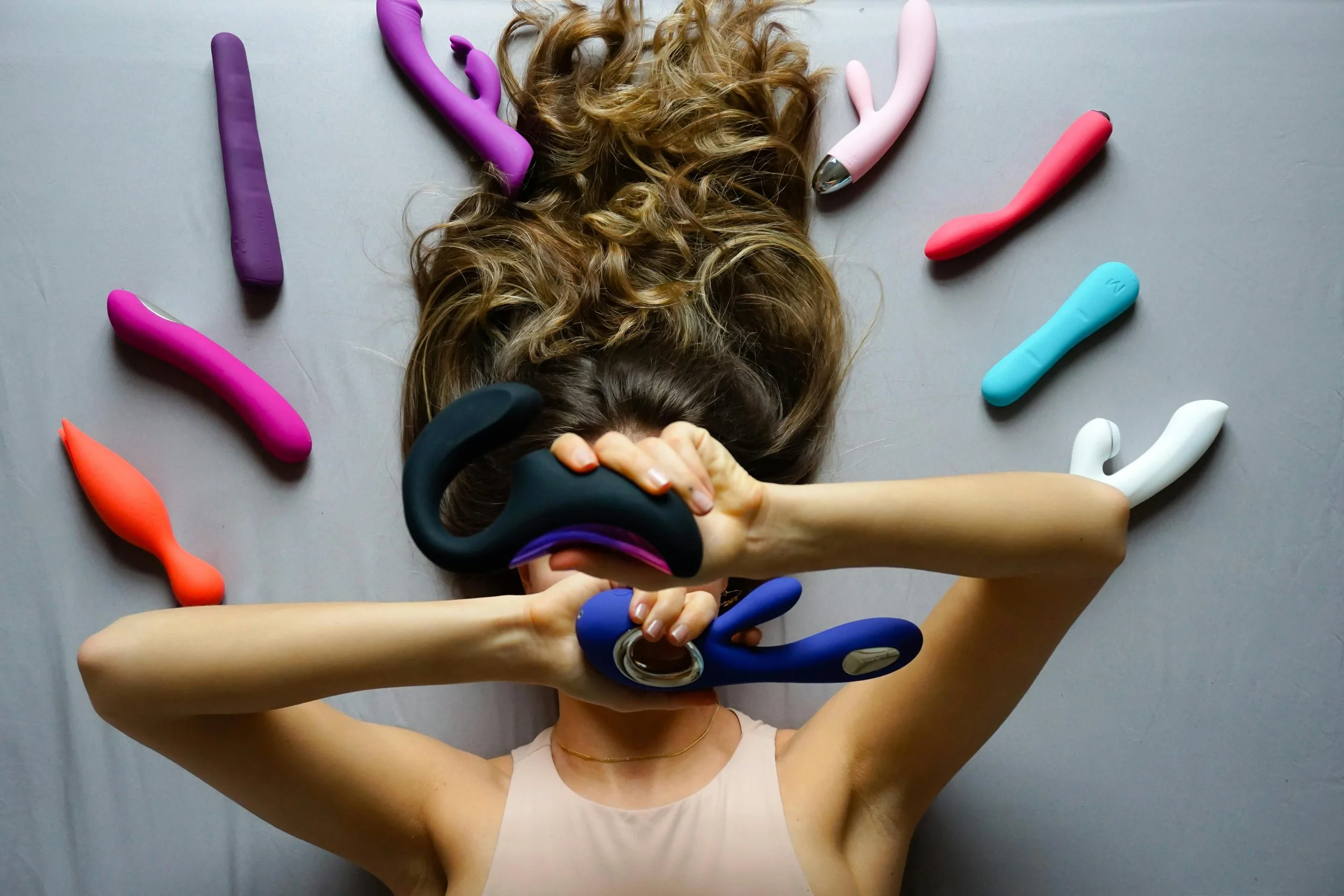
A thrusting dildo has a motor that moves the shaft in and out on its own, while a manual dildo requires the user to control all movement by hand. This basic difference affects everything from how much effort someone needs to put in to how realistic the experience feels. Both types provide unique benefits, but the choice depends on what someone values most in their pleasure.
Thrusting dildos save effort and provide a consistent rhythm, while manual dildos provide complete control over speed, angle, and pressure. Neither option is better across the board. However, many people find that each type serves different needs or moods. Some prefer the hands-free convenience of automated motion, especially for extended sessions or solo play. Others value the precise control and direct feedback that come from manual use.
The real question is not which toy is superior but which one matches personal preferences and physical needs. Factors like stamina, desired sensation, and how someone wants to use their hands all play a role. This guide explores the key differences between thrusting and manual dildos, compares how each one feels, and helps readers decide which type might work best for them.
Thrusting Dildo vs Manual Dildo: Key Differences
The main difference between these two toys comes down to how they move and what sensations they create. A manual dildo requires the user to control all movement by hand, while a thrusting dildo uses a motor to produce automatic in-and-out motion.
Mechanisms of Stimulation
Manual dildos rely entirely on hand movement, so the user controls the speed, depth, and angle through their own physical effort. That hands-on approach gives more direct control, but it also requires constant hand and arm movement, which can become tiring over time. Thrusting dildos work differently because they use an internal motor to create automatic back-and-forth motion. This gives users a steadier rhythm without the need to maintain the movement themselves. For people comparing different motorized options, material and build quality also matter alongside the mechanics. For example, a thrusting silicone dildo at Extreme Restraints, Lovehoney, and Adam & Eve shows how body-safe materials and motor function are often paired together in newer designs. Silicone is a particularly common choice because it is non-porous, easy to clean, and holds up well with repeated motor use. The choice between manual and motorized ultimately comes down to whether someone values direct physical control or hands-free consistency.
Realism and Sensation
Manual dildos provide direct tactile feedback. Users can adjust their grip, change angles instantly, and respond to their body's signals in real time. The hands-on approach allows for subtle variations in pressure and movement patterns.
Thrusting dildos attempt to mimic the motion of penetrative intercourse through mechanical action. The automatic movement creates a hands-free experience that some users find more lifelike than manual manipulation. However, the sensations differ from actual human interaction because motors follow preset patterns.
The texture and material of both toy types affect how they feel. Silicone provides body-safe flexibility regardless of whether the toy thrusts automatically or requires manual operation. The key difference lies in how the motion gets delivered rather than what the toy is made from.
User Control and Customization

Manual dildos provide complete freedom over every aspect of movement. Users decide exactly how fast, how deep, and at what angle penetration occurs. This level of control allows for immediate adjustments based on what feels good in any given moment.
Thrusting dildos typically provide preset speed settings that users select through buttons or remote controls. Most models include multiple thrust speeds and patterns to choose from. However, the range of motion remains limited by the motor's design and stroke length.
Some users prefer the hands-free aspect because it frees up their hands for other activities. Others find that manual control better matches their specific preferences and physical needs. The choice depends on whether someone values complete control or appreciates the convenience of automated motion.
Which Feels More Satisfying?
Satisfaction depends on personal preference, body response, and what type of stimulation feels best. Thrusting dildos deliver automatic motion that mimics intercourse, while manual dildos provide complete control over speed and angle.
Physical Pleasure and Orgasm Quality
Thrusting dildos create rhythmic in-and-out movement through built-in motors. This motion targets internal nerve clusters with consistent pressure that many users find difficult to maintain by hand. The automatic movement allows someone to relax and focus on sensation rather than physical effort.
Manual dildos require the user to control all movement. This approach provides precise angle adjustment and pressure variation. Some people reach stronger orgasms through this direct control because they can respond instantly to their body's signals.
The quality of orgasm often relates to how well the toy matches internal anatomy. Thrusting toys work well for people who respond to deep, repetitive motion. However, those who prefer specific angles or gentler stimulation may find manual options more effective. Neither type guarantees better orgasms for everyone.
User Preferences and Experience
Experience level affects satisfaction with both toy types. Beginners often prefer manual dildos because they can start slow and learn what feels good. The simplicity helps new users avoid overwhelm.
Thrusting dildos appeal to users who want hands-free pleasure or have physical limitations that make manual movement difficult. They also benefit people who enjoy longer sessions without arm fatigue. Some users report that automatic thrusting feels more immersive because it better replicates partner-based sex.
Personal preferences vary widely. Some users find thrusting mechanisms too mechanical or noisy, which disrupts their focus. Others appreciate the consistency and power that motors provide. Many experienced users keep both types available to match different moods or needs.
Choosing Based on Sensitivity and Anatomy

Body sensitivity plays a major role in toy satisfaction. People with high sensitivity may find thrusting dildos too intense, especially at higher speeds. Manual options let them apply lighter pressure and move more gently.
Anatomy differences matter significantly. Some people have shorter vaginal canals or sensitive cervixes that make deep thrusting uncomfortable. Manual dildos provide better depth control to avoid discomfort. Others have deeper anatomy that benefits from the full range of motion that thrusting toys provide.
Internal hot spots like the G-spot or A-spot respond differently to various motions. Manual dildos excel at pinpoint stimulation of specific areas through angled pressure. Thrusting toys provide broader stimulation across multiple zones simultaneously. Testing both approaches helps determine which motion pattern produces the most satisfying results for individual anatomy.
Conclusion
Both thrusting and manual dildos provide unique benefits that suit different needs and preferences. Manual dildos provide complete control over speed, angle, and pressure, which makes them ideal for people who want hands-on customization. Thrusting dildos eliminate the physical effort and deliver consistent, tireless motion that frees up the hands for other activities.
The choice depends on personal priorities. Someone who values precise control and simplicity may prefer a manual option, while those who want hands-free stimulation or deal with stamina concerns often find thrusting models more satisfying. Neither option is inherently better; instead, each serves different situations and desires effectively.