8 Eye Health Habits Every Woman Should Start Before 30
Your twenties are often when eye health starts getting tested in quiet, everyday ways. Hours on a laptop, constant phone use, late nights, contact lenses, makeup, and not enough breaks can all add up faster than most people realize.
And because vision changes can creep in gradually, it is easy to assume everything is fine until discomfort becomes a pattern. Digital eye strain is especially common with extended screen use, and symptoms can include dry eyes, blurred vision, headaches, and tired eyes.
That is what makes prevention so important. Good eye habits are usually simple, but they are much easier to build now than to correct later. A few small routines can help protect comfort, support long-term eye health, and make daily life feel better in the process.
1. Get Regular Eye Exams
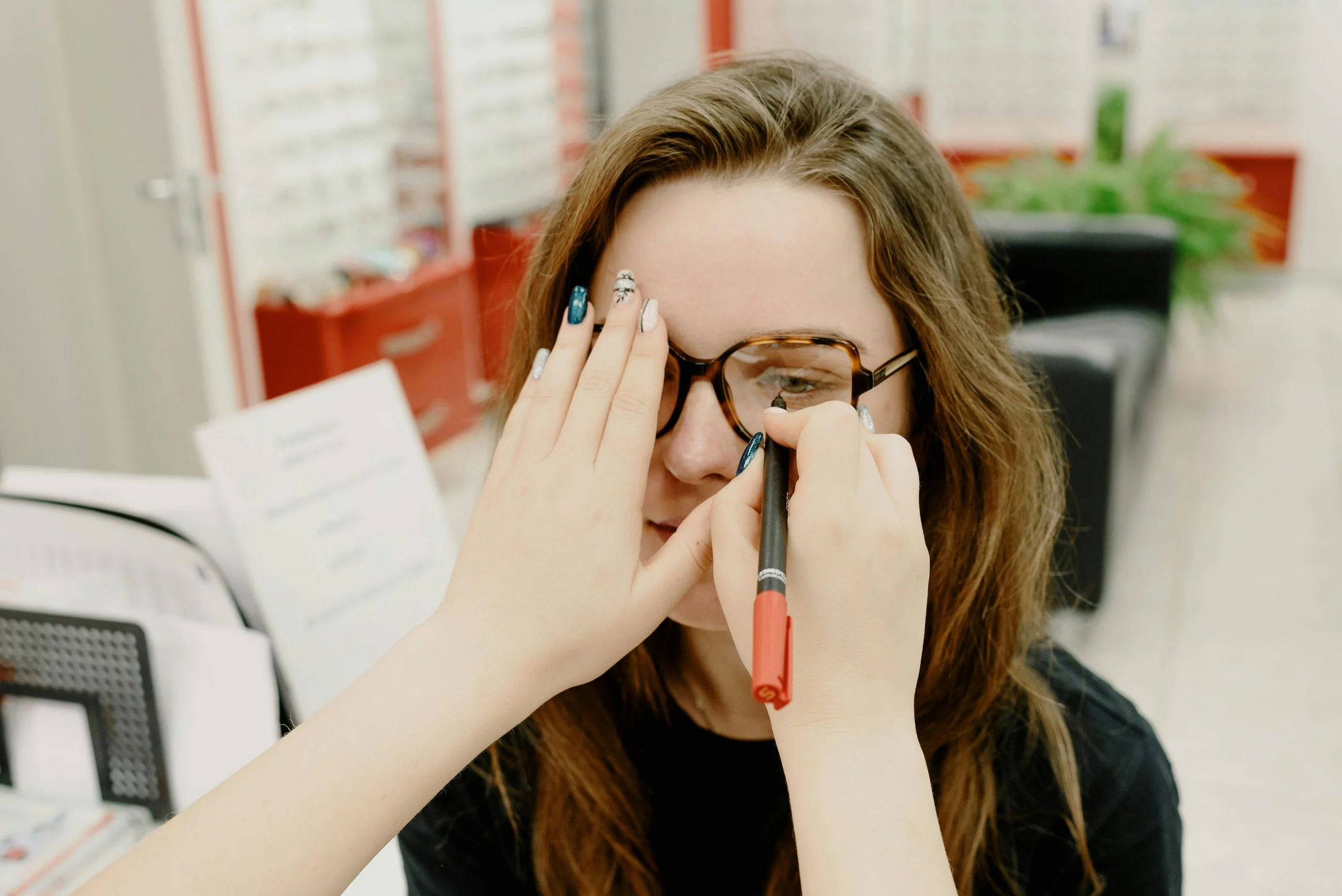
A lot of women in their twenties assume they only need an eye exam if something feels wrong. That is not the best approach. Vision changes, eye strain, and some early eye health issues do not always announce themselves clearly at first, which is why routine exams still matter even when you are not noticing obvious symptoms. The American Academy of Ophthalmology’s preferred practice pattern notes a typical exam interval of every 1 to 2 years for adults under 40.
This is also one of the easiest habits to put off because there is always something else to do. But regular exams are not just about updating a prescription. They are also about catching problems early, before they become harder to manage. If you already wear contacts or glasses, or you spend most of your day on screens, staying on top of eye exams matters even more.
2. Follow the 20-20-20 Rule
If your eyes feel tired after long stretches of work or study, this is one of the easiest habits to start. The 20-20-20 rule means that every 20 minutes, you look at something about 20 feet away for 20 seconds. It is simple, but it helps reduce the strain that builds when your eyes stay locked on one close-up task for too long.

What makes this habit so helpful is that it is realistic. You do not need special equipment or a full screen detox. You just need brief, regular breaks that let your eyes reset. For anyone working at a desk, studying late, or spending too much time switching between a laptop and a phone, this one is low effort and genuinely useful.
3. Wear UV Protection Sunglasses
Eye protection is not just a summer holiday issue. UV exposure happens during everyday life too, whether you are driving, walking to work, sitting outside at lunch, or running errands on a bright day. The CDC recommends sunglasses that block at least 99% of UVA and UVB radiation, and notes that sunglasses help protect the eyes from UV rays and reduce the risk of cataracts.
That means a good pair of sunglasses should do more than look good. You want proper UV protection, not just a dark tint. Everyday wear matters because UV exposure is cumulative. If you are shopping for glasses online, it is worth paying close attention to lens details instead of assuming every stylish pair offers the same level of protection.
4. Prioritize Eye-Friendly Nutrition
Eye health is not only about what you do with screens or lenses. It is also shaped by what you eat consistently over time. Several nutrients are linked with healthy vision, including vitamin A, omega-3 fatty acids, lutein, and zeaxanthin. Foods such as leafy greens, fish, and orange vegetables are often part of that conversation for a reason.
You do not need a perfect diet to support your eyes well. What matters more is building a pattern that includes nutrients known to help. If your meals regularly include greens, fish, eggs, colourful vegetables, and other whole foods, your eyes benefit along with the rest of your body. It is one of those habits that feels basic, but it pays off quietly over time.
5. Limit Screen Time and Adjust Your Settings
Most people cannot realistically cut screens out of their lives, so the better goal is making screen use less harsh on the eyes. Long hours on digital devices are strongly associated with eye strain symptoms, especially when people forget to blink enough, keep screens too bright, or stay focused for long stretches without a break.
This is where simple adjustments help. Lowering brightness to a comfortable level, increasing font size when needed, reducing glare, and using night mode in the evening can all make screens easier on the eyes. The point is not to make your setup perfect. It is to stop making your eyes work harder than they need to.
6. Avoid Sleeping With Makeup On
This one sounds obvious, but it is still one of those habits people break when they are tired, busy, or just over the day. The problem is that leftover eye makeup can contribute to irritation, clogged glands along the eyelids, and a higher risk of infection if particles get into the eyes or sit around the lash line for too long. Good eyelid hygiene matters more than many people think, especially for anyone already prone to dryness or irritation.
A gentle cleanse at night is not just about skincare. It is also about giving your eyes a cleaner, calmer environment. If you wear mascara, liner, or lash products regularly, this habit is worth treating as non-negotiable.
7. Stay Hydrated and Blink More
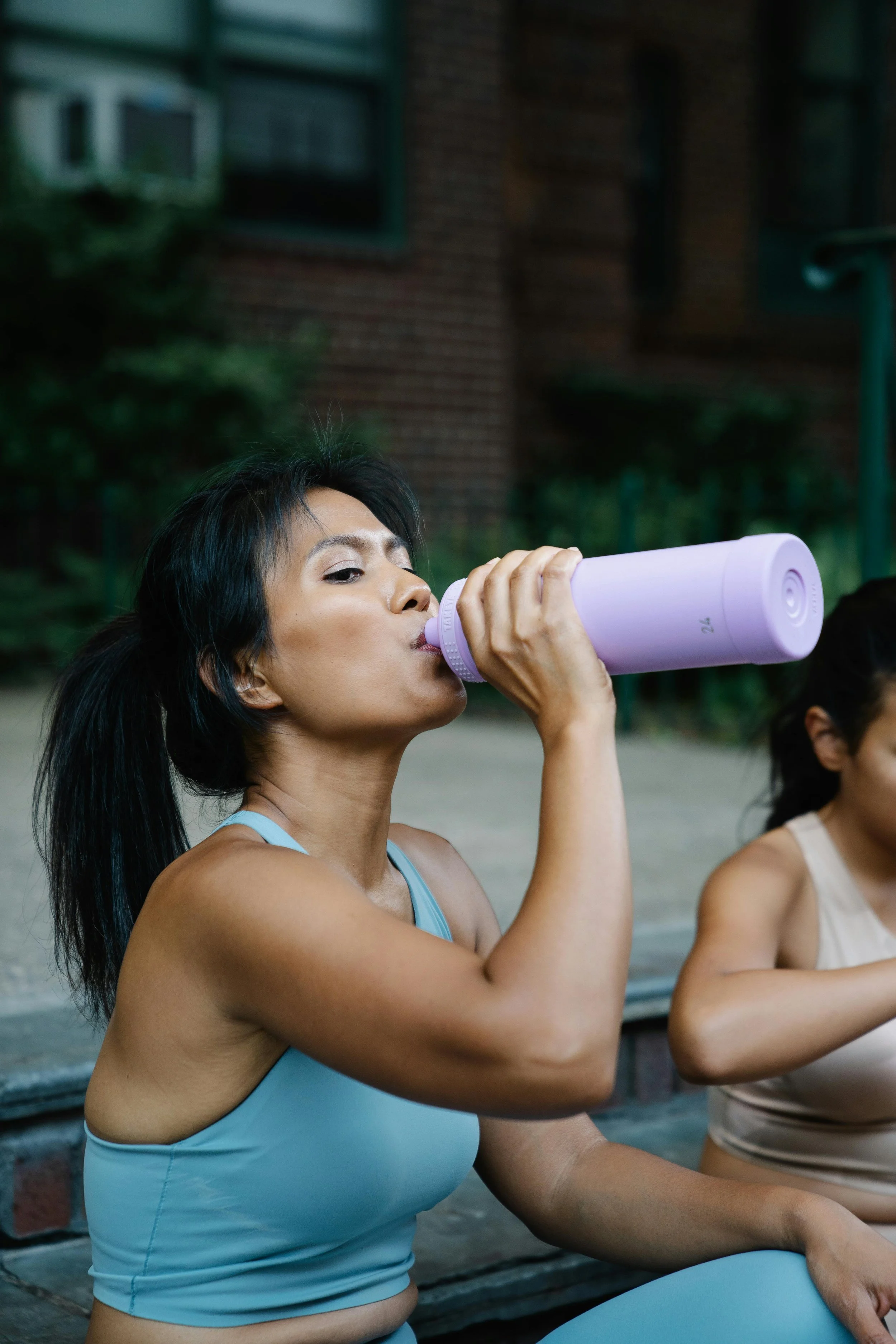
Dry eye is common, and screen-heavy routines can make it worse. One reason is simple: when people stare at screens, they tend to blink less often. Focusing on computers and other close tasks can reduce blinking and contribute to tired, uncomfortable eyes.
That is why hydration and blinking deserve more credit than they get. Blinking helps spread tears evenly across the eye’s surface, and staying hydrated supports the body systems involved in keeping eyes comfortable. If your eyes often feel scratchy, tired, or dry by the end of the day, this is a good place to start.
8. Practice Proper Contact Lens Hygiene
Contact lenses are convenient, but they also come with very little room for laziness. The CDC advises washing your hands before handling contacts and cleaning lenses properly to help avoid infection. Sleeping in contact lenses without being specifically prescribed for that use also raises the risk of serious eye problems.
This is one habit where consistency matters more than intention. Clean storage, proper replacement schedules, and resisting the temptation to cut corners all make a difference. If you wear contacts often, good hygiene is not an extra credit. It is part of basic eye care.
Conclusion
Eye health habits do not need to be complicated to matter. In most cases, they are small things: booking the eye exam, taking a break from the screen, wearing proper sunglasses, cleaning off makeup, blinking more, and being careful with contacts. Done consistently, those choices can help protect both comfort now and vision later.
Starting before 30 is really about giving yourself an advantage. Prevention is usually easier than treatment, and daily habits tend to matter most when they are built early enough to stick. A little attention now can go a long way toward keeping your eyes healthy for years to come.