

Women Who Travel Solo: Fashion, Safety, and Smart Living Tips
Written by: Edrian Blasquino
Solo travel feels normal now. Not bold. Not unusual. Just something many women do because it makes sense. Work schedules don’t line up. Friends back out. Or sometimes you simply want to move at your own pace.
Still, before booking, there’s that quiet calculation. Is it safe enough? Will it feel comfortable at night? What happens if something goes wrong?
That thought doesn’t disappear. You just plan around it.
The smoother trips usually come down to small things handled early. What you’re wearing. Where you’re staying. How you manage your phone. Nothing dramatic. Just thought through.
Fashion as Quiet Strategy
Clothes speak first. Whether you like it or not.
Dress Like You’ve Done This Before
You don’t need to look local. That’s unrealistic. But looking composed helps. Neutral colors. Clean silhouettes. Pieces that look deliberate instead of random. A structured jacket, well-fitted trousers, even a simple blouse that sits properly.
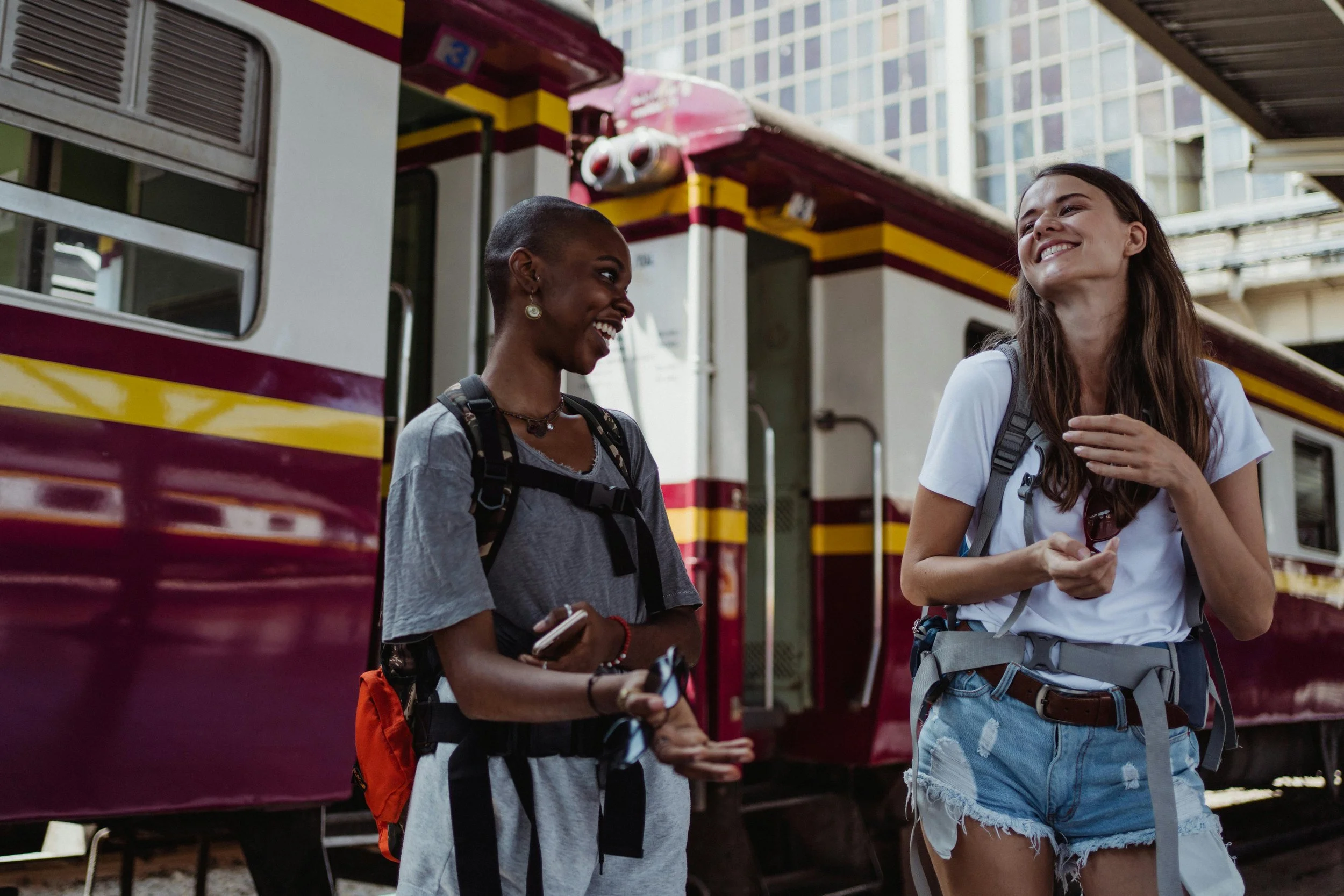
When you look like you know where you’re headed, people treat you that way. It reduces unnecessary attention. Not always. But often enough.
It’s less about style, more about presence.
Wear Things That Let You Move
Cities don’t move the way they look on Instagram. Pavement cracks. Sudden stairs. Long stretches with nowhere to sit. By the second day, grip and support matter more than how the shoes look in photos.
Sore feet slow you down. And once you slow down, everything feels heavier than it should.
Same with clothing. If you’re constantly adjusting straps or pulling at fabric, your attention stays on yourself. Better to wear pieces that stay put and let you focus outward.
Keep Your Bag Practical
A crossbody with a strong strap tends to work better than something loose on one shoulder. Hidden zippers. Inside compartments. Maybe a small clip for your wallet.
When your bag feels secure, you stop touching it every few steps. That alone shifts your body language.
Safety as a System
Most hesitation around solo travel comes back to safety. Not panic. Just awareness.
Prepare for When Tech Fails
Signal drops. Batteries drain faster than expected. Download offline maps before arrival. Screenshot your accommodation details, especially the address in the local language. Save emergency numbers somewhere obvious.
A low battery while navigating at night is unnecessary stress. Charge before heading out. It sounds simple because it is.
Don’t Keep Everything Together
Putting all your essentials in one wallet feels efficient. Until it isn’t. Some travelers divide their valuables. A small amount of cash accessible. Main cards and ID stored somewhere else.
If something goes missing, you’re inconvenienced. Not stranded.
That difference matters more than people think.
Use Tech That Actually Helps
There’s more tech that supports women while traveling now, but it only works if you set it up before you need it.
Noonlight allows you to trigger a silent emergency alert if you feel unsafe.
bSafe offers live location tracking and SOS activation.
GeoSure provides neighborhood-level safety ratings.
Sitata sends real-time updates about travel disruptions, protests, or regional risks.
You don’t need all four. Choose one or two that fit your routine and test them before your trip. Make sure emergency contacts are properly set. It shouldn’t be the first time you open the app when something feels off.
A small portable door lock can also help in short-term rentals. It’s simple. It makes sleeping easier. Clear judgment the next day depends on that.
Smart Living on the Road
Traveling alone means every decision runs through you. That adds up.
Reduce Small Decisions
You don’t have to rethink everything each morning. Rotate a few reliable outfit combinations. Set a loose daily budget so you’re not doing mental math all day. Find one café near your place that you can return to without scrolling reviews.
When your mind isn’t crowded with small choices, you notice more. You react faster if something feels wrong.
Be Careful With Timing Online
Posting in real time feels normal. Still, better to share after you’ve left. Avoid announcing that you’re alone somewhere specific at a specific hour.
It doesn’t reduce the experience. It just reduces exposure.
Think About Where You Stay
Flexible housing platforms work well for solo travel because they allow shorter stays and easier changes. That flexibility is useful if a neighborhood feels off.
But read reviews properly. Look at recent ones. Check for verified hosts. Pay attention to comments about entry systems and nighttime surroundings. A beautiful interior doesn’t help much if walking back alone feels uncomfortable.
Final words
Solo travel keeps growing because more women are choosing independence. Caution doesn’t cancel that independence. It shapes it.
When your clothes allow movement, your safety habits run quietly in the background, and your days aren’t overloaded with tiny decisions, traveling alone feels steadier. Not perfect. Just controlled enough.
And controlled enough is usually what makes the difference.