

5 Tips for Women Veterans Transitioning Back to Civilian Life
For many vets, hanging up the uniform is a bittersweet moment. For women, it's often more bitter than sweet. One day, you are part of a tight system with clear rules and purpose. The next day, you're just "Ma’am" at the grocery store, trying to figure out who you are outside the uniform.
According to the U.S. VA, women make up more than 11% of the total veteran population in the country. Women are basically the fastest-growing group in the veteran military community. But that doesn't make the transition to civilian life any less complicated.
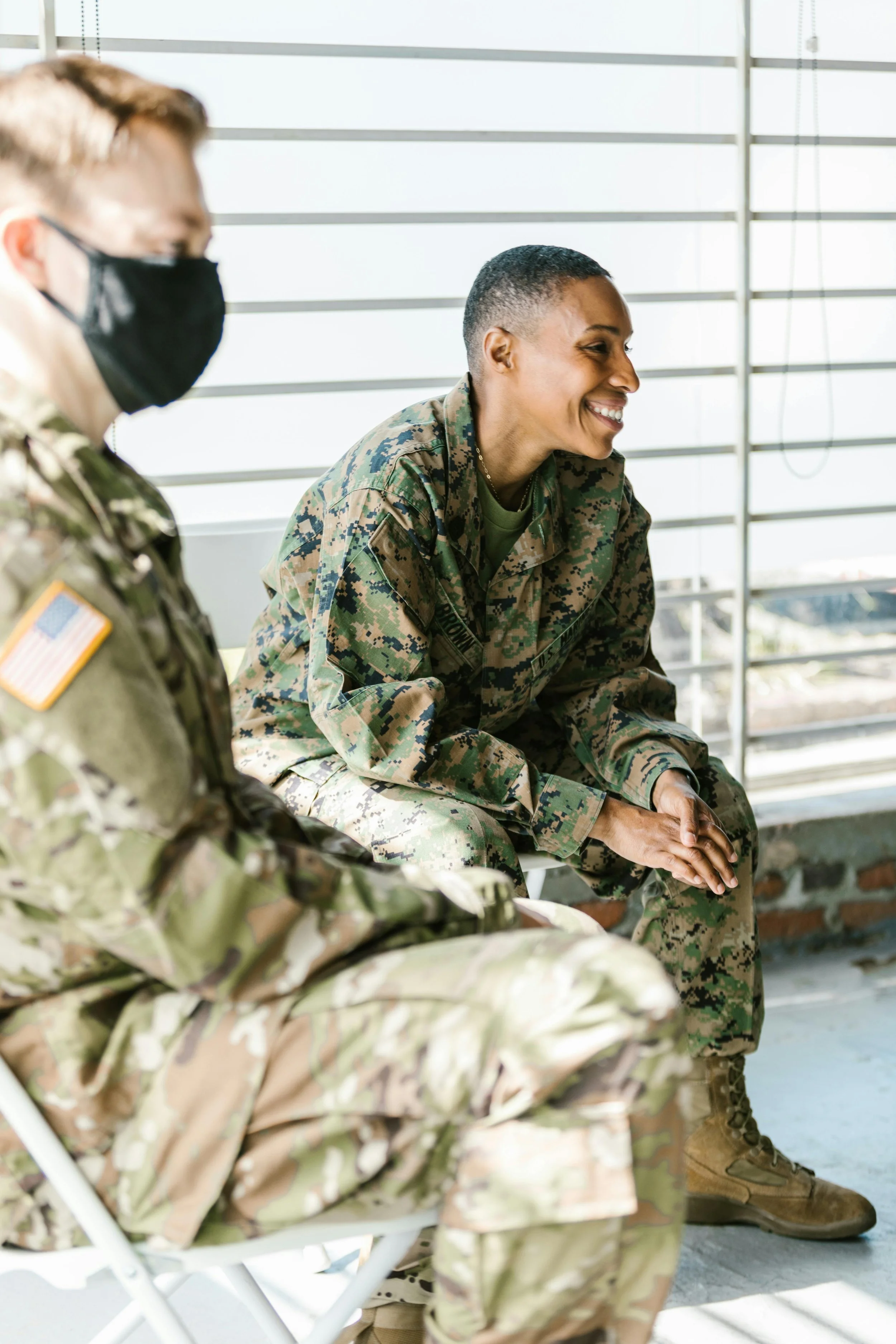
The good news? Thousands of women have successfully rebuilt their lives outside the service. The key is knowing where to start. That's exactly what this guide is here for.
Whether it's you or someone you know, read on as we discuss five practical tips for navigating the military to civilian transition with confidence.
Re-evaluate Your Identity and Purpose
When you leave the military, you do not just change jobs. You often change identity.
For many women veterans, this is the hardest part of the transition. You go from a clearly defined role to something much less structured. That shift can feel disorienting at first.
And it's not just in the U.S. Across the border in Canada, research shows that the transition from military to civilian life is easy for only about 34% of the female veterans released within the past five years. The remaining 66%? They struggle. It's challenging everywhere.
But there are a few steps you can take to make things a little easier.
Attend personal development workshops
Explore entrepreneurship opportunities
Participate in leadership retreats
Consider starting a business
Entrepreneurship is actually a reasonable move. Many women veterans already have strong leadership and problem-solving skills. Those skills translate well into business ownership.
Whatever path you choose to try, the point is to stop defining yourself by your military service and start working towards who you want to be next.
Take Early Control of Your VA Benefits
The VA system is notoriously hard to navigate, and many vets fall through the cracks. Either they don't know what they're entitled to, or the process feels so bureaucratic they just… don't start.
But VA benefits are important to your veteran transition process. And people are taking advantage of it. In fact, more than 702,000 women vets received VA disability compensation in 2024, up 26% from five years before. That increase shows more women are finally accessing the benefits they earned. You should, too.
Start by:
Calling 1-855-VA-WOMENAsk about women veterans' health services
Schedule an initial healthcare appointment
Check eligibility for mental health programs
If you are an older veteran, there are also third-party programs that provide support for senior veterans that you can take advantage of. Use them.
Find a Community of Shared Experiences
Here is something many women veterans talk about.
After leaving service, people sometimes assume you were a military spouse rather than a service member. That can feel isolating.
The solution is simple but powerful. Find your community.
Some places to start:
Women Veterans Network
Women Veterans Interactive Foundation
Local VFW or American Legion posts
Peer support groups for women veterans
Connections like these matter a lot. Vets with strong peer networks typically experience lower rates of isolation. On the flip side, socially isolated individuals have 25% more risk of mental and physical health challenges, according to the AMA.
Veterans in supported communities are also better positioned to share resources, job leads, and insights about the VA benefits.

Network Strategically
One of the biggest hurdles in the military to civilian career transition is language.
Military experience is powerful. But if you don't know how to put it in civilian speak, potential employers may not know what you bring to the table.
The good news? There are a few things you can do to help:
Use resources like Hire Heroes USA for resume help
Update LinkedIn and network with veterans in your target industry
Highlight measurable results in your resume, and not your rank and role
These steps can open doors faster than waiting for someone to acknowledge your experience.
Prioritize Well-being and Self-Care
Putting your well-being very high on your checklist of things to do is non-negotiable. This isn’t about spa days or the occasional ladies’ night out. It’s about being mentally and physically steady to handle what comes with military to civilian transition. And with 87% of women veterans experiencing anxiety, it's clear why intentional self-care matters.
So, what can you do?
Look for women-focused veteran support groups to join.
Get mental health counseling if you need it.
Take advantage of peer support therapy.
Build a regular exercise routine.
The good news is that the VA now offers expanded mental health services specifically for women veterans. The VA's Power of Women Embracing Recovery program at Coatesville VA is a prime example.
Conclusion
Transitioning into civilian life after years of military service takes time, and that’s completely normal. The good news is that you can join the millions of vets who have integrated successfully. The key is to move with intention.
The first step? Know what your benefits are. Next, join a supportive community. From there, you can take the next steps at your own pace. But don’t forget to care for yourself along the way.