

Your surroundings can influence how you settle down after a long day, and generally how comfortable everyday life feels. As colder, darker days bring more of us indoors, small changes to colour, light and even the air you breathe can make your rooms more pleasant without demanding a complete makeover.
Create a space that feels personal to you
Interior trends can provide inspiration, but you don’t need to recreate someone else’s home. Choose colours you genuinely enjoy and surround yourself with things that mean something, whether that’s artwork you’ve collected or a well-used armchair you’d never swap for the latest design.
It’s worth looking at clutter, too. A crowded coffee table or kitchen worktop can make everyday jobs feel more awkward because you’re constantly moving things around. Give frequently used belongings an easy-to-reach home, then store, donate or recycle items you no longer need. You’ll spend less time tidying and have more room to enjoy.
Pay attention to the air that’s around you
Comfort isn’t only about what you can see. Everyday activities such as cooking and showering add moisture to the air, which can contribute to condensation when that moisture reaches cold surfaces.
Use extractor fans where you have them, keep vents clear and open windows when conditions allow. If you’re renovating or looking for a more comprehensive solution, mechanical ventilation with heat recovery can extract stale, moisture-laden air while bringing filtered outdoor air inside. Crucially, the system transfers much of the heat from the outgoing air to the incoming supply, helping you ventilate your home without simply letting all that warmth escape.
Use lighting to change the mood
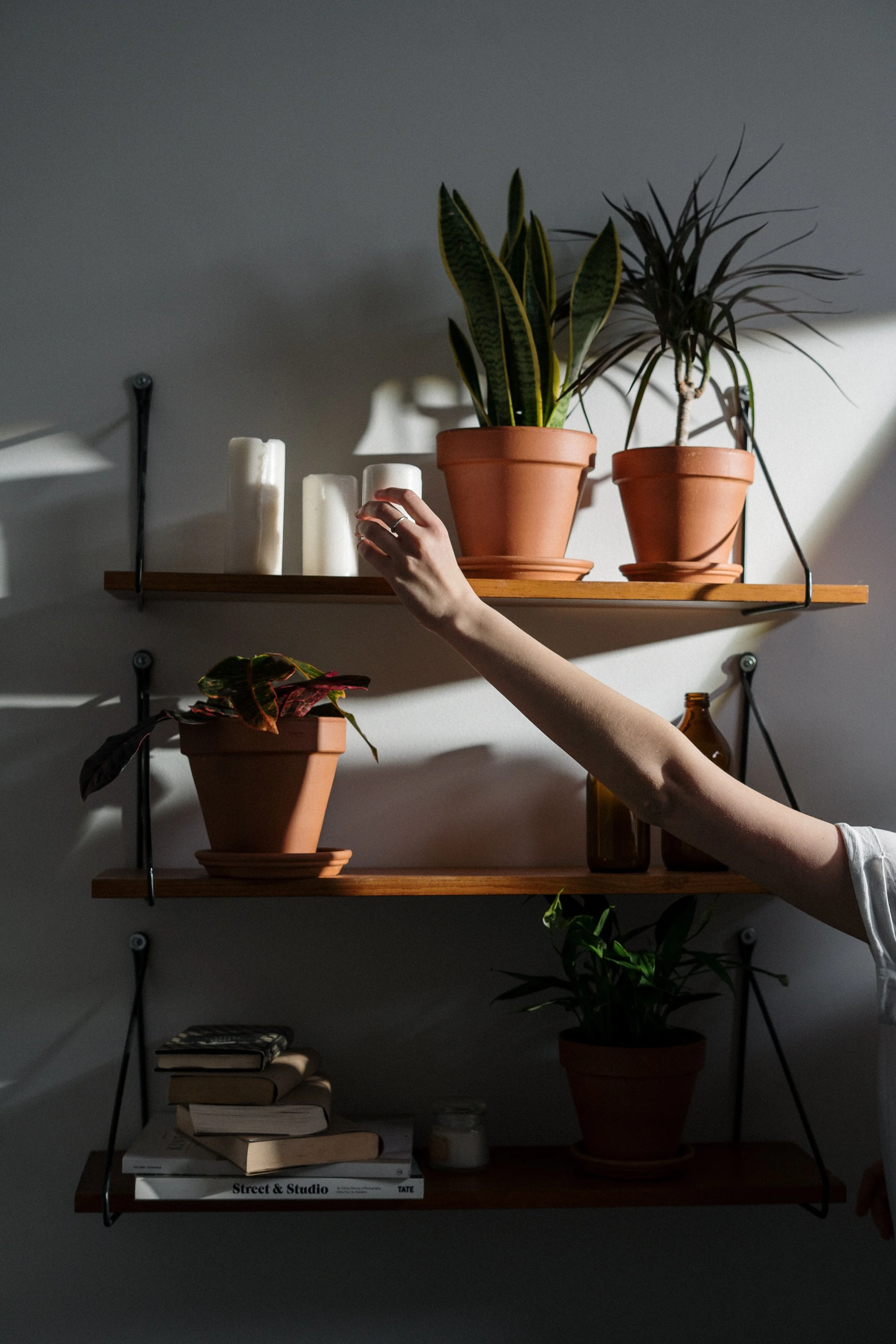
Lighting affects both how a room works and how inviting it feels. Daylight also helps your body regulate its daily sleep-wake cycle, so making good use of it can support a healthier routine.
Keep windows unobstructed during the day where privacy allows. Once evening arrives, you don’t have to rely on one powerful ceiling light. A floor lamp beside the sofa might provide general illumination while a smaller table lamp creates a softer pool of light for reading. Warmer, dimmer illumination later in the evening can also make the transition towards bedtime feel more natural.
Bring elements of nature indoors
You can create a connection with nature at home even if you don’t have a garden. Houseplants introduce greenery, while timber furniture, linen fabrics and other natural materials can bring texture and visual warmth to a room.
Put plants where their individual light and watering requirements suit the conditions rather than scattering them wherever there’s an empty shelf. Indoor plants can have an impact on your wellbeing and productivity, although you shouldn’t rely on them to solve indoor air-quality problems.
Even something as simple as arranging a favourite chair to face a leafy garden or nearby trees can make greenery part of your everyday view.