

How to Create a Comfortable and Stylish Wardrobe for the Whole Family
Written by: Ellie Sommers
Building a wardrobe that works for everyone in your household doesn't have to mean sacrificing style for comfort or spending beyond your budget. Families often struggle to find clothing that balances practicality, durability, and personal taste across different ages and body types. The challenge becomes even more complex when you consider how quickly children outgrow clothes, how lifestyle needs change between adults, and how individual preferences vary from person to person. With intentional planning and a clear strategy, you can develop a cohesive family wardrobe that serves everyone well and makes getting dressed easier each day.
1. Identify Your Family's Lifestyle and Needs
The first step in creating a functional family wardrobe is understanding how each person spends their time and what activities define their daily routine. Consider whether your children attend school, engage in sports, or participate in extracurricular activities that require specific clothing. Think about your work environment, whether you work from home, in a formal office, or in a casual setting. Evaluate social commitments, weekend activities, and climate considerations for your region. A family living in a cold climate will prioritize warm layers and sturdy outerwear, while a family in a warm location focuses more on breathable fabrics and sun protection.
Once you have identified these lifestyle factors, write them down for each family member. This creates a clear reference point for shopping and helps prevent impulse purchases that don't align with real needs. A teenager involved in soccer, school, and part-time retail work needs versatile pieces that transition from athletic wear to work uniforms to casual school outfits. Meanwhile, a parent working in a creative industry has different requirements than one in a corporate setting. By acknowledging these distinct needs upfront, you can make more intentional purchasing decisions that actually get worn and appreciated.
2. Choose a Neutral Color Palette as Your Foundation
Establishing a cohesive color scheme for your family's wardrobe creates visual harmony and makes mixing and matching pieces significantly easier. Neutral colors serve as the backbone of any functional wardrobe because they work across seasons, age groups, and personal styles. Black, white, gray, navy, beige, and brown are classic neutrals that pair well with nearly everything and never go out of style. Building your foundation pieces in these colors means that clothing items purchased at different times can still coordinate seamlessly, and family members can borrow and share outfits when sizes allow.
Beyond the basic neutrals, identify two to three accent colors that reflect your family's personality and work well against your skin tones. These could be jewel tones like emerald or sapphire, warm tones like rust or gold, or cool tones like blush or sage. These accent colors add personality and visual interest while still maintaining the coordinated feel. If your family chooses navy, cream, and forest green as your palette, nearly every piece purchased in these colors will work together, making it easier to build complete outfits and maximize your clothing budget.
3. Invest in Quality Basics That Last
Quality basics form the foundation of a comfortable and stylish wardrobe for the entire family. These are the pieces you reach for repeatedly and that must withstand frequent washing and wearing. Essential basics include plain t-shirts in various weights, neutral button-up shirts, simple sweaters, well-fitting jeans, and comfortable everyday pants. When shopping for basics, prioritize fabric quality, seam construction, and durability over trendy details. A well-made t-shirt in a soft cotton blend will remain comfortable and look good after dozens of washes, whereas a lower-quality option may pill, fade, or lose its shape quickly.
Budget slightly more for these foundational pieces because they work harder in the wardrobe and provide the best return on investment. Quality basics also reduce the need to replace items constantly, which actually saves money over time. Families who want their clothing choices to reflect shared beliefs often rely on faith based apparel for families to ensure their everyday basics carry meaningful values alongside durable, comfortable construction. For adults, prioritize basics that align with your lifestyle needs, such as comfortable work pants that can transition from office to casual settings or activewear that handles both exercise and running errands.
4. Balance Comfort With Flattering Silhouettes
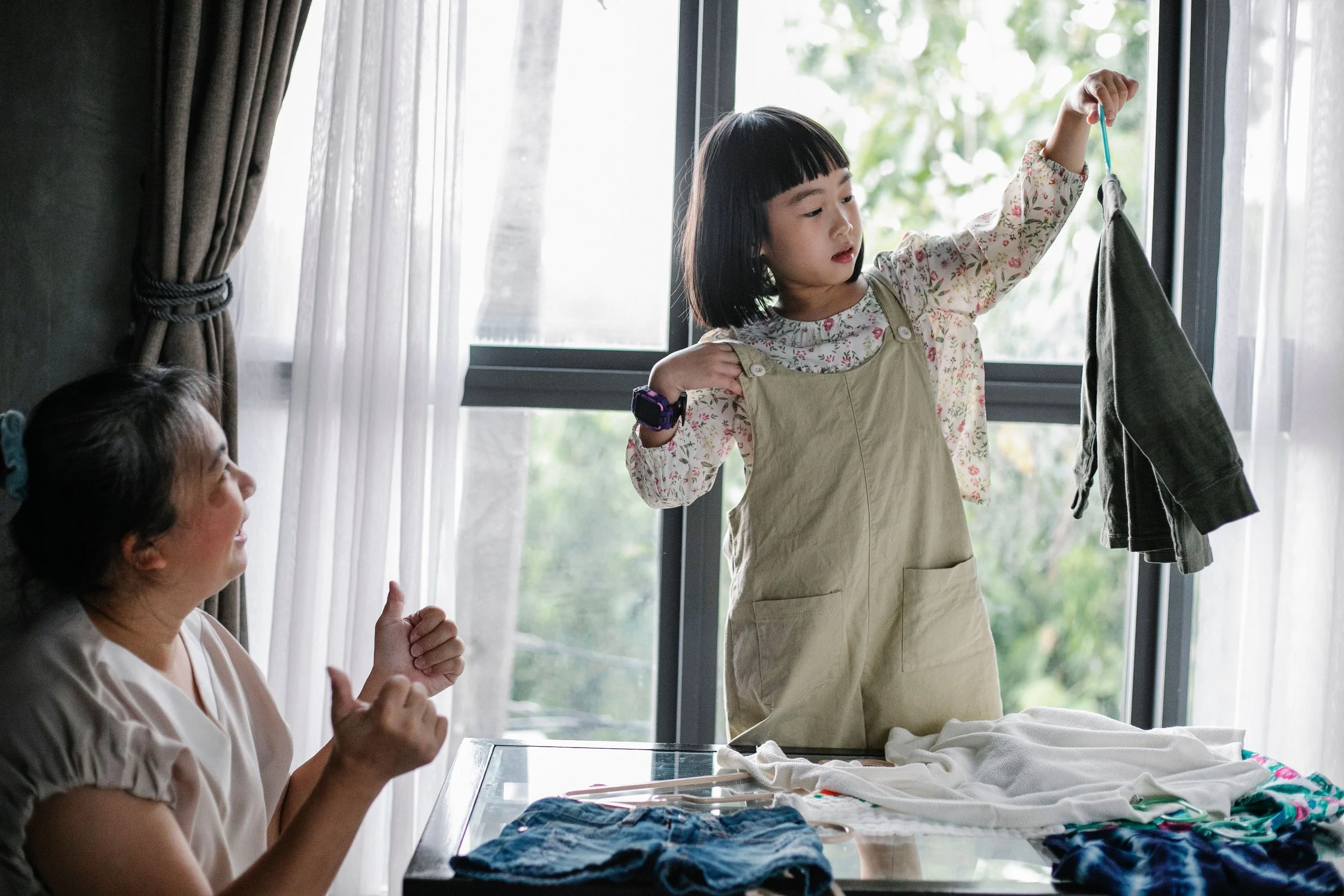
A stylish wardrobe maintains comfort without sacrificing flattering fit, and this principle applies equally to children and adults. Comfort means choosing fabrics that feel good against the skin and allow for movement, while flattering silhouettes mean selecting cuts and styles that work with each person's body type and personal proportions. Oversized pieces offer comfort but should be balanced with fitted or tapered items to create visual interest and prevent a shapeless appearance. Conversely, highly fitted clothing may be flattering but can feel restrictive or uncomfortable for active wear.
The key is finding the middle ground where clothing fits well but doesn't cling or restrict movement. For children, comfort becomes even more important because they need freedom to play, run, and move throughout their day. Stretchy fabrics, adjustable waistbands, and sufficiently loose arm holes make clothes practical and wearable for active kids. For adults, consider how different silhouettes work in various contexts, such as wider-leg pants that are comfortable but still polished for work, or structured tops that feel secure during active movement. When trying on clothing, test your movement by reaching, bending, and sitting to ensure that comfort and style work together.
5. Create a Seasonal Rotation System
Organizing your family's wardrobe into seasonal groups makes it easier to manage inventory and ensures everyone has appropriate clothing available. Store off-season items in a separate, accessible location rather than mixing everything together. This system reduces daily decision-making stress because family members only see and choose from relevant clothing for the current season. It also helps you identify gaps in your wardrobe, as you can assess what pieces you'll need when switching seasons.
Consider using clear storage containers for off-season clothing and labeling them clearly with the season and contents. When transitioning between seasons, take inventory of what you have and assess what items need replacing or updating. This is also an ideal time to donate clothes that no longer fit, are damaged beyond repair, or simply aren't worn. For families with children of different ages, a rotation system also makes it easy to pass clothing down to younger siblings without creating clutter. When your oldest child outgrows winter coats or school clothes, you can move these items to a younger sibling's closet rather than leaving them mixed in with off-season storage.
Conclusion
Creating a comfortable and stylish wardrobe for your entire family is an achievable goal that requires thoughtful planning and intentional choices rather than excessive spending. By understanding each family member's lifestyle needs, establishing a neutral color palette, and investing in quality basics, you create a foundation that works together harmoniously. Balancing comfort with flattering fits ensures that everyone actually wants to wear what's in their closet, and implementing a seasonal rotation system keeps everything organized and accessible. As your family's needs evolve, your wardrobe can grow and adapt while maintaining the core structure you've established. With these strategies in place, getting dressed becomes less stressful, clothing lasts longer, and your family can feel confident and comfortable every single day.