

5 Tips for Finding the Perfect Hair Extension Length and Shade
Hair extensions offer a quick way to change your look and add length or fullness to your natural hair. However, the wrong length or shade can make extensions look obvious and unnatural. The key to beautiful hair extensions lies in selecting the right length that complements your height and natural hair, along with a shade that blends seamlessly with your existing color.
Many people struggle to choose extensions that work well with their specific features and lifestyle. The process involves several factors, from accurate measurements to professional guidance. This guide provides practical tips to help you find extensions that look natural and feel comfortable for everyday wear.
Measure your natural hair length accurately before choosing extensions to ensure a seamless blend
Accurate measurement of natural hair helps you select the right extension length. To measure properly, use a tape measure and start at the roots where you plan to attach the extensions. Pull the tape down to the ends of your hair in a straight line.
Hair texture affects how you measure. Straight hair provides the most accurate reading at full length. However, wavy or curly hair needs to be gently stretched to reveal the true length. This prevents you from choosing extensions that end up too short for your natural texture.
The goal is to match or slightly exceed your natural hair length for the best blend. This is especially important when comparing clip-in styles to tape-in or sew-in methods, since each attachment point sits at a slightly different height on the head and can shift the perceived length by an inch or more. Thathair's hair extensions, like most quality options on the market, are available in multiple length increments precisely because that extra inch or two makes a noticeable difference in how well they blend with the natural ends. Curly and wavy hair types tend to need a longer extension than straight hair wearers of the same height, since shrinkage pulls the natural hair above where the extension begins. Taking two measurements, one stretched and one in its natural state, gives you a reliable range to work within rather than a single number that may not tell the full story.
Consider your height when selecting extension length for balanced and proportional results
Height plays a key role in how hair extensions will look once installed. Taller individuals tend to make extensions appear shorter on their frame, while shorter people find the same length appears much longer.
For those under 5'4", extensions between 14 and 18 inches create a flattering look without overwhelming the body. Extensions in this range fall between the shoulders and mid-back for most people in this height category.
People between 5'4" and 5'7" can wear 18 to 22-inch extensions comfortably. This range provides length without throwing off body proportions.
Those taller than 5'7" often need 22 inches or longer to achieve their desired look. However, extensions under 20 inches can still work well for those who want subtle volume rather than dramatic length.
The key is to think about where the extensions will fall on the body. Hair that ends at the waist creates a different visual effect than hair that stops at the shoulders, and height determines these proportions.
Match extension shades closely to your natural hair or opt for complementary tones for a natural look
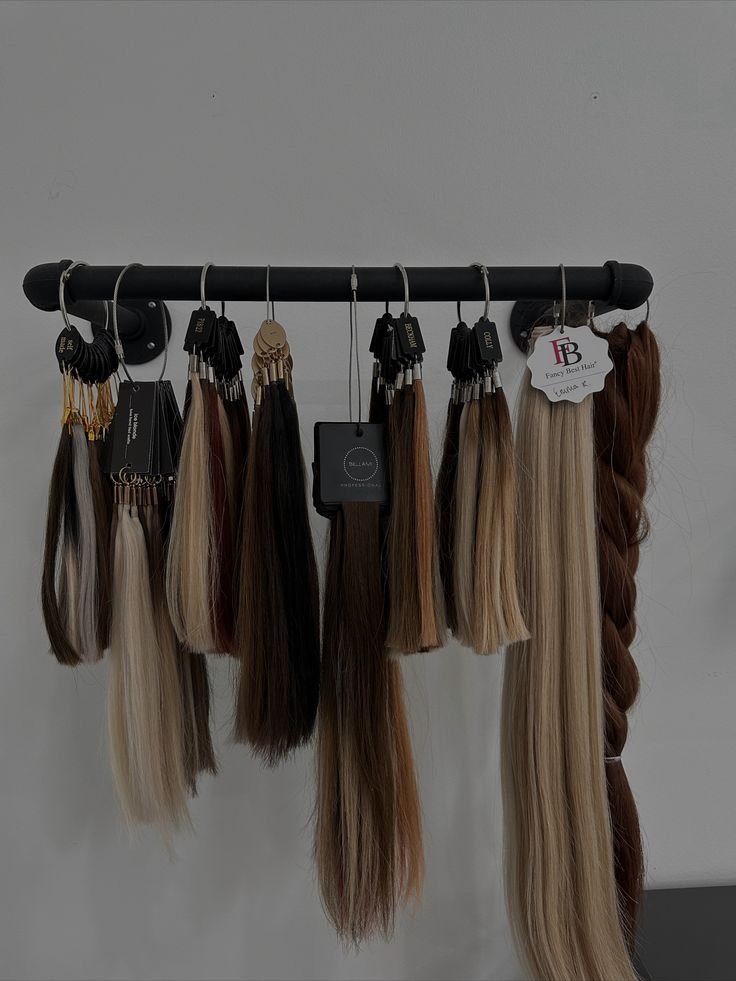
The key to seamless hair extensions starts with proper color selection. Extensions should match the natural hair color as closely as possible to create an undetectable blend. Most people need to examine their hair in natural lighting to identify the true shade and undertones.
Hair rarely comes in one solid color. Therefore, people should look at the mid-lengths and ends of their hair rather than just the roots. These sections provide the most accurate reference point for color selection.
Some people choose to work with complementary tones instead of an exact match. This approach works well for those who want to add dimension or create a highlighted effect. However, the shades should still fall within a similar color family to maintain a natural appearance.
Professional colorists can help identify undertones, which range from cool to warm to neutral. Extensions that clash with these undertones will stand out, even if the basic color seems close. Taking photos from multiple angles in different lighting conditions helps specialists recommend the best shade.
Choose Remy hair extensions for better texture, durability, and a more realistic appearance
Remy hair extensions stand out because the cuticles remain intact and face the same direction. This alignment mimics how natural hair grows from root to tip. As a result, the strands move smoothly without tangling or friction.
The cuticle alignment creates a softer texture that blends with natural hair. People often struggle to tell where their real hair ends and the extensions begin. This seamless match makes Remy extensions look more realistic than standard options.
Durability sets Remy hair apart from lower-quality alternatives. These extensions maintain their quality through multiple washes and styling sessions. The proper cuticle structure prevents the hair from becoming dry or damaged quickly.
Remy extensions hold style better and respond to heat tools just like natural hair. Users can curl, straighten, or blow-dry without worry. The hair keeps its shine and smooth feel over time, which makes it a smart investment for anyone who wants long-term results.
Consult a professional stylist if possible to tailor length and shade to your hair texture and face shape
A professional stylist can assess your unique hair characteristics and face shape to recommend the best extension options. They understand how different textures react to various extension types and can match shades more accurately than photos alone.
Stylists evaluate your hair's thickness, condition, and natural texture during a consultation. This helps them suggest lengths that blend well and look natural with your existing hair. For example, fine hair may benefit from shorter extensions, while thick hair can support longer styles.
Face shape also plays a key role in the right extension length. A stylist can explain which lengths will balance your features and create the most flattering look. They can hold up different shade samples to your hair in proper salon lights, which reveals undertones that regular mirrors might miss.
Professional guidance reduces the risk of poor matches and saves money in the long run. Most salons offer free consultations where you can discuss your goals and get expert recommendations.
Conclusion
The right hair extension length and shade can transform your look and boost your confidence. You should match extensions to your face shape, current hair length, and personal style goals. Color accuracy matters just as much as length, so take time to compare shades in natural light before you buy. Hair extensions work best for people who understand their hair type and select products that blend seamlessly with their natural texture.