

5 Expert Tips to Make Your Perfume Last Longer
Written by: Ellie Sommers
You're out by noon and already reaching for the bottle again. Where did the scent go? Most people shrug it off. But fading fragrance isn't some unavoidable outcome — staying power depends on how you store, apply, and prep beforehand. Fragrance chemists have mapped out exactly what kills longevity. The findings aren't obscure. Genuinely practical, most of them.
1. Moisturize Your Skin Before Application
Hydrated skin holds fragrance. Dry skin doesn't. Full stop. Fragrance molecules drift off parched skin fast — the opening notes vanish before you've even left the house. The fix is boring but effective: reach for an unscented lotion or body oil right after your shower, skin still slightly damp. That layer of moisture slows evaporation considerably.
Go fragrance-free with the moisturizer. Strongly scented lotions fight your perfume's top notes, producing something neither planned nor appealing. Pat dry — don't rub, rubbing strips moisture. Let the lotion sink in a minute or two before spraying anything over it. Plenty of enthusiasts swear this one habit alone doubled their wear time. Hard to argue with that kind of result.
2. Apply Fragrance to Pulse Points
Pulse points run warm. Blood vessels sit close to the surface — inner wrists, throat's base, behind the ears, inside the elbows — and that steady warmth pushes scent outward far more efficiently than cooler patches of skin ever could. Targeted application destroys the random spray-and-walk method every single time.
Here's the common mistake: rubbing wrists together after spraying. Feels natural. But friction tears fragrance molecules apart, speeding up the fade. Press wrists gently together instead — or just leave the scent alone to dry. The natural heat from those pulse points does all the work. No assistance needed from you.
3. Store Your Perfume in the Right Environment
Your bathroom shelf is quietly wrecking your fragrance. UV exposure and heat fluctuations degrade scent molecules over time; bathrooms near showers bundle both problems together neatly — heat and humidity, one convenient location. A bedroom closet or dark cabinet is a far smarter choice. Most people don't notice the damage until months of degradation have already stacked up.
Consistency beats raw coolness here. A steady 60 to 70 degrees Fahrenheit outperforms a refrigerator that swings in temperature every time someone opens the door. Keep the perfume in its original bottle, cap sealed tight — air exposure triggers oxidation and evaporation. Check that the atomizer closes completely after every use. Proper storage doesn't just protect what's left; it guarantees the fragrance performs at full strength when you actually put it on.
4. Layer Your Fragrance with Complementary Products
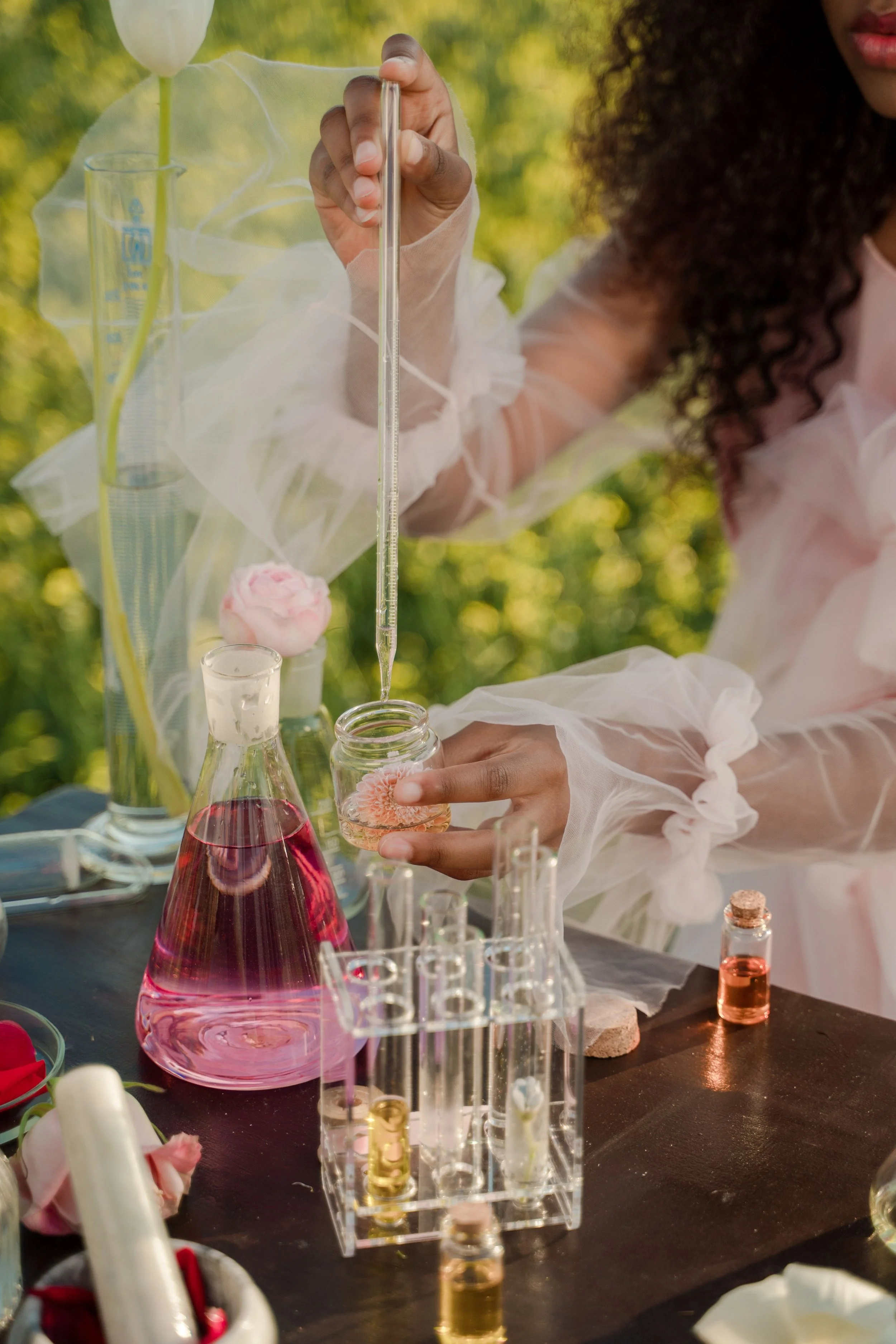
Layering builds depth. Pull matching body lotion, shower gel, or body oil from the same scent family and you create a base that anchors your perfume's top notes — keeps them projecting instead of vanishing. Each product reinforces the others. The collective result outlasts perfume alone by a noticeable margin.
Compatibility is the trick. Stick to products from the same fragrance line, or items engineered to work together. Apply gel or lotion on damp skin, let it dry, then hit your pulse points with the perfume. Some people finish with a light fragrance mist over clothing — though delicate fabrics need care to avoid staining. Fragrance retailers like Style Rule carry curated collections spanning a wide range of scent families, which makes building a layered routine considerably easier. Done right, the combination smells fresher longer and projects with noticeably more presence.
5. Choose Higher Concentration Formulations
Concentration changes everything. Eau de parfum carries 15 to 20 percent fragrance concentrate — substantially more than eau de toilette's 5 to 15 percent. That gap translates directly to wear time. Less product per application, longer projection, fewer touch-ups. Fragrance experts consistently steer people toward eau de parfum when longevity is the actual priority.
Parfum sits higher still — 20 to 30 percent concentrate — and suits signature scents meant to carry through an entire day. One spray. Maybe a small dab. Often enough. Budget-conscious? A single bottle of eau de parfum used sparingly can actually deliver better value than a cheaper eau de toilette you're reapplying constantly. Check the bottle's back or bottom — concentration percentage is usually printed there, giving you a reliable, honest comparison point.
Conclusion
Getting more from your perfume isn't complicated. Moisturize first. Target pulse points. Store bottles somewhere cool and dark. Layer with complementary products. And reach for higher concentration formulations when you can. None of this is arbitrary — these habits work because they respect fragrance chemistry, protecting delicate scent molecules while letting them interact fully with your skin's natural heat and oils. Whether you wear fragrance daily or save your favorites for specific occasions, even a few of these adjustments can genuinely transform how long — and how well — your scent actually performs.