

Acne, Moods, and Mysteries: Decoding the Second Puberty Phenomenon
Written by: Rayanne Morriss
Many adults are surprised when symptoms they thought they left behind in adolescence suddenly reappear. Breakouts, mood swings, weight fluctuations, and shifting energy levels can feel confusing and frustrating, especially when they show up during a stage of life marked by greater responsibility and self-awareness. This experience is often described informally as a “second puberty”, a period when hormones, life stressors, and environmental influences collide to create noticeable changes in the body. While not a literal second adolescence, it is a meaningful physiological pattern that deserves attention and understanding.
What Causes Second Puberty Symptoms to Appear in Adulthood
The forces behind second puberty symptoms are more layered than most people realize. Hormones fluctuate throughout adulthood, especially during times of high stress, inconsistent sleep, shifting exercise routines, or dietary changes. For many individuals, these disruptions create ripples that affect skin, mood, and metabolism in ways that resemble teenage experiences.
Women may experience these shifts during their late twenties or thirties as ovulatory patterns adjust with age. Men can also experience hormonal changes as testosterone levels fluctuate due to stress, workload, and lifestyle habits. Even people with balanced routines can see changes if their bodies are adjusting to new life phases, medical conditions, or environmental triggers.
The combination of these factors can disrupt sebum production, heighten inflammatory responses, and alter neurotransmitter balance. Acne flare-ups, irritability, and fatigue are often the result of multiple small changes stacking together rather than a single major cause. Understanding this layered effect helps reduce frustration and encourages a broader view of health habits.
The Skin: A Visible Indicator of Internal Imbalance
Acne may be the most recognizable sign that something within the body is shifting. Adult acne is common and frequently tied to hormonal patterns that affect oil production and inflammation. Stress hormones such as cortisol can stimulate sebaceous glands, which increases the likelihood of clogged pores. At the same time, modern work environments, irregular meal timing, and sleep disruption can interfere with the skin’s natural repair systems.
Environmental factors contribute as well. Pollutants, harsh skincare products, and extended screen exposure can aggravate existing sensitivities. For some people, dietary choices create additional strain. Foods that cause blood sugar spikes may worsen breakouts because they influence insulin and androgen levels, which then affect oil production.
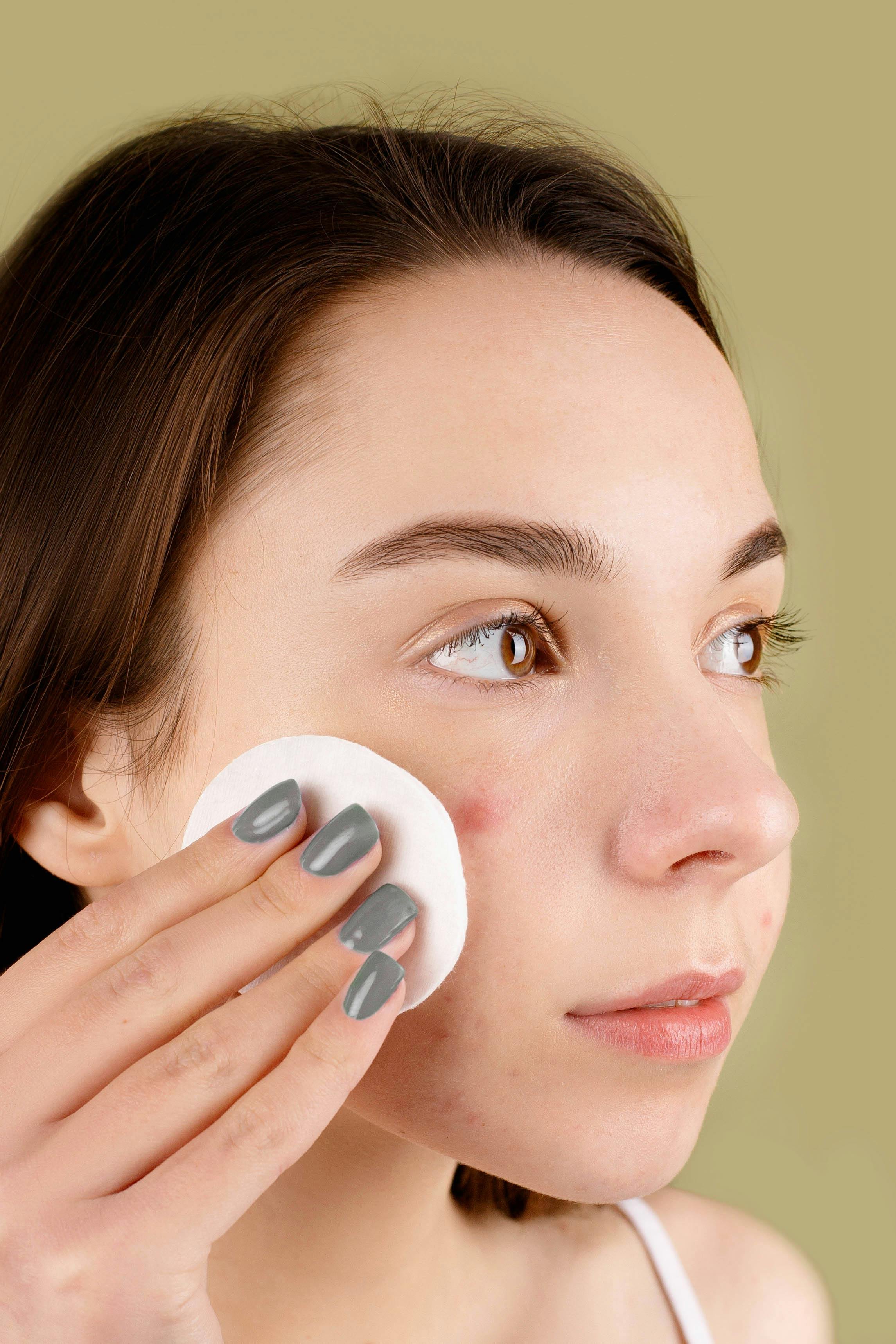
Even though acne appears on the surface, it is often a reflection of deeper patterns. Treating it effectively requires looking at sleep, stress, digestion, hydration, and nutrition rather than relying solely on topical quick fixes.
Mood Shifts, Brain Chemistry, and the Adult Stress Load
Mood changes are another hallmark of the second puberty experience. Many people report irritability, emotional sensitivity, or a shift in motivation that feels out of character. These changes often connect directly to stress, sleep patterns, and hormone fluctuations that influence brain chemistry.
Neurotransmitters like serotonin, dopamine, and GABA respond to more than emotions alone. They shift with nutrition, movement, inflammation, and daily rhythms. When sleep quality drops or work demands escalate, these chemical messengers become harder to regulate. People may feel more reactive, less focused, or more easily overwhelmed.
There is also a social and emotional layer to consider. As adults navigate career pressures, relationships, financial responsibilities, and personal goals, the nervous system can become overloaded. This strain magnifies the intensity of hormone related mood changes. The result is a blend of physiological and psychological influences that can be mistaken for personality changes rather than biological ones.
The Gut, Hormones, and the Second Puberty Connection
Emerging research continues to highlight the connection between the gut and hormone regulation. The gut microbiome plays a role in metabolizing hormones, supporting immune balance, and producing neurotransmitters. When gut health is disrupted by stress, poor sleep, processed foods, or medications, it can trigger symptoms throughout the body.
Digestive discomfort, bloating, or irregularity often appear alongside second puberty symptoms. These gut signals can reflect inflammation or microbial imbalance that influences everything from mood to skin health. Adults are sometimes surprised to learn how closely their digestive patterns connect to emotional changes or acne flare-ups.
Supporting gut health through fiber rich foods, hydration, diverse nutrients, and consistent meals helps stabilize hormonal rhythms. This interconnected system explains why improving digestion often leads to improved skin clarity and mood steadiness.
When to Seek Support and How to Create a Personalized Plan
Not all second puberty symptoms require medical intervention, but many benefit from thoughtful guidance. When shifts in skin, mood, or energy persist for several months, it may be helpful to seek input from specialists who understand the relationship between hormones, lifestyle, and whole body health. Some individuals choose integrative or holistic support models such as personalized functional medicine in Seattle or your area to better understand how their unique physiology is responding to stressors and life changes.
Addressing second puberty symptoms effectively usually involves a combination of small adjustments. Consistent sleep rhythms, balanced meals, hydration, mindful movement, and stress management practices all support hormonal harmony. Tracking patterns over several weeks can reveal the influence of triggers such as caffeine, sugar, poor sleep, or irregular schedules.
Just as important is the understanding that these changes are not signs of failure or decline. They are signals that the body is asking for recalibration. Listening to those signals helps prevent long term imbalances and promotes overall resilience.
Conclusion
Second puberty is a useful way to describe the hormonal, emotional, and physical shifts that many adults experience as they move through different stages of life. These symptoms reflect the body’s natural response to stressors, aging, lifestyle habits, and environmental factors. By understanding the forces behind these changes and addressing them with a holistic mindset, adults can navigate this phase with clarity and confidence. The body communicates through patterns, and when those patterns change, it offers an opportunity to restore balance and strengthen long term wellbeing.