What Information Should You Provide When Ordering a Custom Inflatable?
Ordering a custom inflatable for the first time? It can feel like a lot if you haven't gathered the details beforehand. The question of what information you should provide when ordering a custom inflatable comes up constantly, and it directly shapes how smoothly your project moves forward, how precise your quote becomes, and whether the finished product actually matches what you're picturing. Manufacturers depend on the specifics you share upfront to make design calls, pick materials, and establish realistic timelines. The more prepared you are when you walk in, the fewer revisions you'll chase later.
Missing details bog things down. Vague inquiries trigger email chains, delayed quotes, and sometimes a product that misses the target entirely. And if you pull together the right information before you place your order, you hand the production team everything they need to move fast and deliver something that works.
Define the Type and Purpose of Your Inflatable
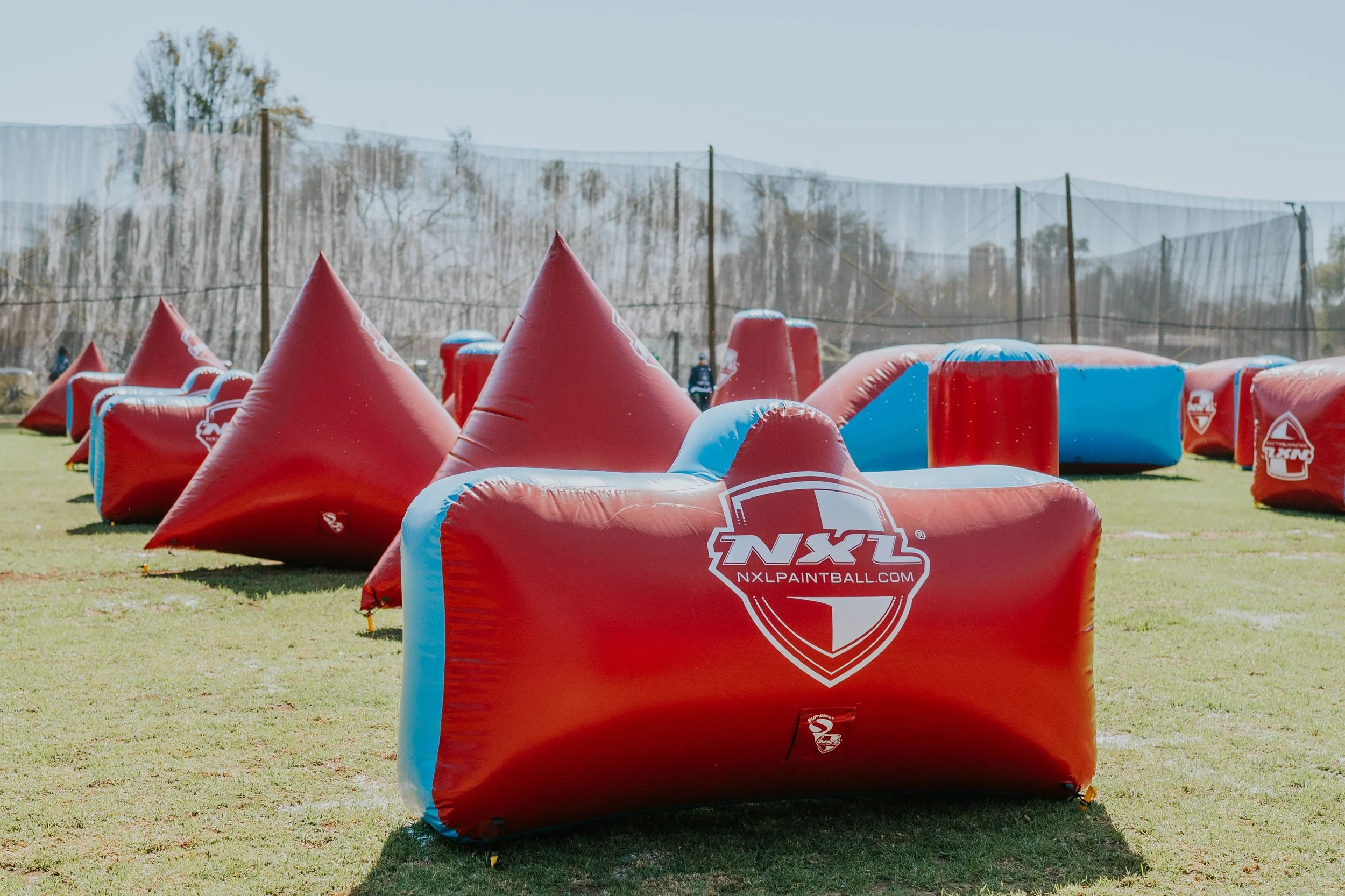
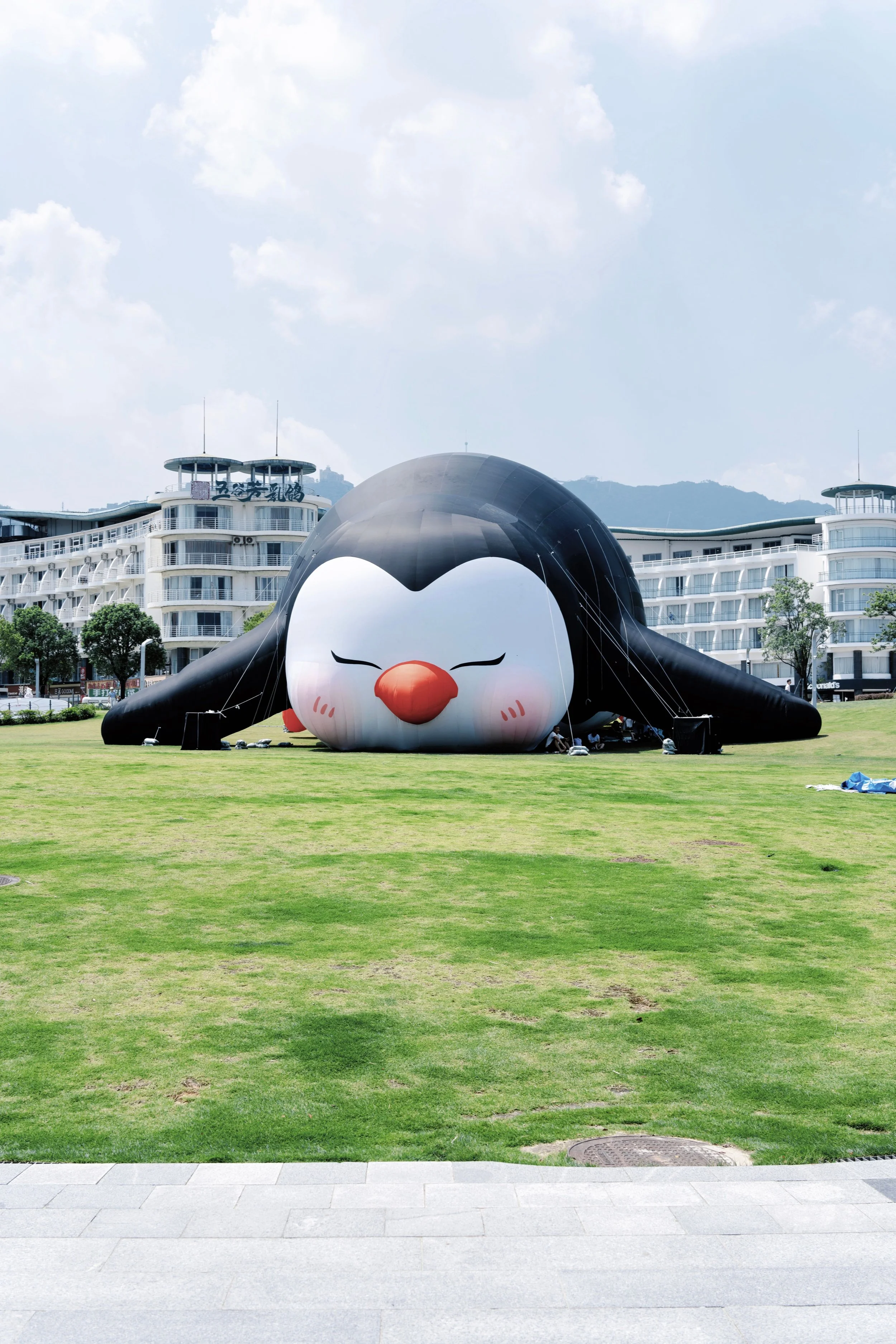
Custom inflatables advertising products come in countless shapes, such as tube men, archways, giant character replicas, and branded pool floats, so the first detail you need to spell out is exactly what type of inflatable you're after and what it needs to do. A manufacturer can't quote materials, construction methods, or timelines without knowing whether your inflatable's heading to a trade show booth, an outdoor festival, a sporting event finish line, or a retail promotion. The end-use environment shapes nearly every production decision. An inflatable used indoors at a conference needs different anchoring than one sitting outside in unpredictable weather. Something designed for a one-day event has different durability needs than a unit traveling city to city for months. So be direct about the primary function: Is it purely decorative? Does it need to be walked through, think arch or tunnel? Should it hold a person, like a photo booth structure? Will it work as a backdrop, a prop, or a standalone attention-getter? Write these answers down before you make contact. Clarity here sets everything else in motion.
Size Specifications and Spatial Requirements
Size is one of the most frequently underestimated details in a custom inflatable order, and getting it wrong costs real money. Before you settle on anything, measure the physical space where the inflatable sits. That's ceiling height for indoor setups, ground footprint, clearance from walls or structures, and any height limits the venue imposes. Manufacturers need exact dimensions to engineer the product correctly. Don't estimate. If your venue tops out at 14 feet and you order a 16-foot inflatable, you've got an unusable product for that location. Consider how it'll travel, too. A large structure that seems fine in a warehouse might not squeeze through standard loading dock doors or fit in a cargo van. Ask yourself if the size you want is practical for the crew setting it up and breaking it down. Provide the manufacturer with your minimum and maximum size preferences; the exact venue dimensions; and any logistical constraints around storage or transport. These details let the production team engineer something that actually fits your real situation rather than an imaginary one.
Design Files, Branding Assets, and Color Information
Your design assets are the foundation for the final product. Want a custom inflatable that captures your brand? You'll need to supply the right files in the right format. Vector files are standard. AI, EPS, or high-resolution PDFs give manufacturers clean, flexible artwork that scales to large surfaces without distortion or pixelation. A JPEG or PNG only? The team might still work with it, but quality hinges on the original resolution. Beyond the file itself, specify your brand colors using Pantone (PMS) codes whenever you can. Screen colors and printed colors shift differently, and what looks right on your monitor won't match production without a standardized reference. Include your logo usage rules if you've got a brand guide: minimum clear space, restrictions on color flips, required proportions. Don't have finalized artwork yet? A hand sketch, a rough mockup, or even a detailed written description works as a starting point. Most manufacturers run in-house design teams that can turn an idea into production-ready art, but the more specific you get, the closer that first draft lands to what you actually want.
Quantity, Timeline, and Budget Parameters
Manufacturers need three connected pieces of information to pencil you in: how many units, when you need them, and what you can spend. These three factors feed directly into each other; sharing all three upfront gets you a much sharper quote. On quantity, be realistic. A single inflatable carries different per-unit costs than fifty units do, and some manufacturers impose minimum order thresholds that shift pricing. On the timeline, work backward from your event date. Build in shipping time, local permits or inspections, and time to test the inflatable on-site before the actual day. Rushing a production order jacks up costs and risks cutting corners on quality. Event's six weeks out? Say it immediately. Flexible on timing? Worth mentioning, since a longer lead time often brings lower costs. On budget, you don't need to drop an exact number if that's uncomfortable, but a range helps the manufacturer propose something realistic rather than designing something that comes back at double what you can afford. Toss quantity, timeline, and budget in the same message, and you'll get a quicker, sharper response.
Intended Use Environment and Safety Considerations
The environment where your inflatable operates isn't incidental. It determines materials, anchoring systems, and safety features built in. Outdoor inflatables face UV, wind, rain, and temperature swings. If yours goes outside, tell the manufacturer what weather typically happens at your event location and when. A summer festival in Arizona doesn't equal a fall event in Minnesota. Spell out whether it gets staked into grass, weighted on pavement, or hung from a structure. Indoor setups raise their own issues: air circulation, electrical access for blowers, and foot traffic proximity. Kids interacting with it? State that outright. Child-use products meet specific safety standards around material thickness, seam strength, and blower power. Going to use it across multiple events? Tell them. Frequent use demands heavier-gauge materials and reinforced seams; they add cost but stretch product life way out. Flag any regulatory requirements in your state or venue, including fire-resistance certifications or inspection paperwork. Manufacturers who see the whole picture build a product that performs safely and holds up under real conditions, not ideal ones.
Conclusion
Knowing what information should you provide when ordering a custom inflatable is the difference between a smooth production cycle and frustrating round after round of revisions. Hit these points: type and purpose, exact size requirements, design files with accurate color specs, quantity paired with timeline and budget, and complete details on your use environment. The fuller your initial brief, the faster and more accurately a manufacturer can deliver what you're actually after.