

Wedding Event Planning Tips for a Perfect Day
Written by: Miranda Spears
Your wedding day is one of life’s most meaningful milestones—a celebration of love, family, and the future you’re building together. Turning that vision into reality requires thoughtful planning, clear priorities, and a calm, organized approach. Whether you’re coordinating an intimate gathering or a grand celebration, these practical tips will help you create a seamless experience that feels personal, polished, and unforgettable.
Define Your Vision and Priorities
Before you book venues or browse décor, take time to articulate what matters most. Talk through your non-negotiables: guest count, setting (garden, ballroom, beach), formality, cultural traditions, and the atmosphere you want guests to feel. Clarifying the top three priorities—such as photography, cuisine, or live music—guides decisions and budget allocation throughout the process. Create a concise mood board to keep your aesthetic coherent, and a purpose statement (e.g., “elegant, warm, joyful”) to align every choice with your vision.
Build a Realistic Budget and Timeline
A clear budget and timeline are the backbone of a stress-free planning process. Start with a top-line number and estimate major categories: venue, catering, attire, entertainment, photography, florals/décor, rentals, stationery, and transportation. Reserve a contingency (typically 10–15%) for unexpected costs like overtime fees or weather backups. Develop a milestone timeline that spans from 12+ months out (venue scouting and date selection) to the final week (rehearsal details and packing emergency kits). Use a shared spreadsheet or planning tool to track deposits, due dates, and contact info, so nothing slips through the cracks.
Choose the Right Venue (and Read the Fine Print)
Your venue sets the tone and dictates many logistical considerations. When touring spaces, evaluate capacity, flow (ceremony, cocktail hour, reception), sound restrictions, power access for entertainment, lighting options, rain plans, and on-site coordination. Ask about exclusivity (how many events per day), vendor policies (open vs. preferred lists), setup and breakdown windows, and hidden fees (service charges, security, valet). If your wedding spans multiple locations, build in travel buffers and guest transportation to keep the day running smoothly.
Elevate Guest Experience from Arrival to Farewell
A memorable wedding balances beauty and hospitality. Think through your guest journey step-by-step: clear signage and greeters upon arrival, accessible seating, thoughtful comforts (shade fans, water stations, blankets), and seamless transitions between moments. Offer a curated beverage upon arrival, time the ceremony to flattering light, and consider interactive elements—live painters, tasting stations, or cultural rituals—to create meaningful engagement. For out-of-town guests, share a weekend guide with local favorites, schedules, and transportation details to make their stay effortless.
Curate a Cohesive Design and Dining Story
Great design is more than décor—it’s storytelling. Choose a color palette and texture mix (linens, florals, paper goods, lighting) that reflects your mood board and venue architecture. Layer personal details: heirloom pieces, monograms, or a meaningful motif carried through invitations, escort displays, and cake design. Lighting is your secret weapon; a combination of ambient, accent, and candlelight elevates any space. When planning the menu, prioritize seasonality and balance—offer vegetarian/vegan options, consider late-night snacks, and coordinate timing with your entertainment so toasts, courses, and dances flow naturally.
Lean on Expertise Where It Counts
Even the most organized couples benefit from professional guidance, especially for complex logistics or elevated details. Whether you hire a month-of coordinator or a full-planning partner, an experienced luxury wedding planner can advocate for your vision, negotiate with vendors, and orchestrate timelines so you can be present for the moments that matter. They’ll also create detailed production schedules, floor plans, and contingency plans—crucial if your event involves multiple spaces, intricate installations, or custom builds.
Plan for the Unexpected (and Protect Your Peace)
Every wedding has variables—weather, traffic, delayed deliveries. Build a Plan B (and C) for outdoor ceremonies, including tenting specs, flooring, and heating/cooling as needed. Prepare an emergency kit with essentials: fashion tape, stain remover, pain relievers, sewing kit, chargers, blotting papers, and heel protectors. Assign point people for decisions on the day (best friend for décor tweaks, family member for VIP arrivals) so you aren’t fielding questions. Most important, schedule breathers in your timeline—private first look, 10 minutes post-ceremony—to soak in the day together.
Honor What Makes Your Story Unique
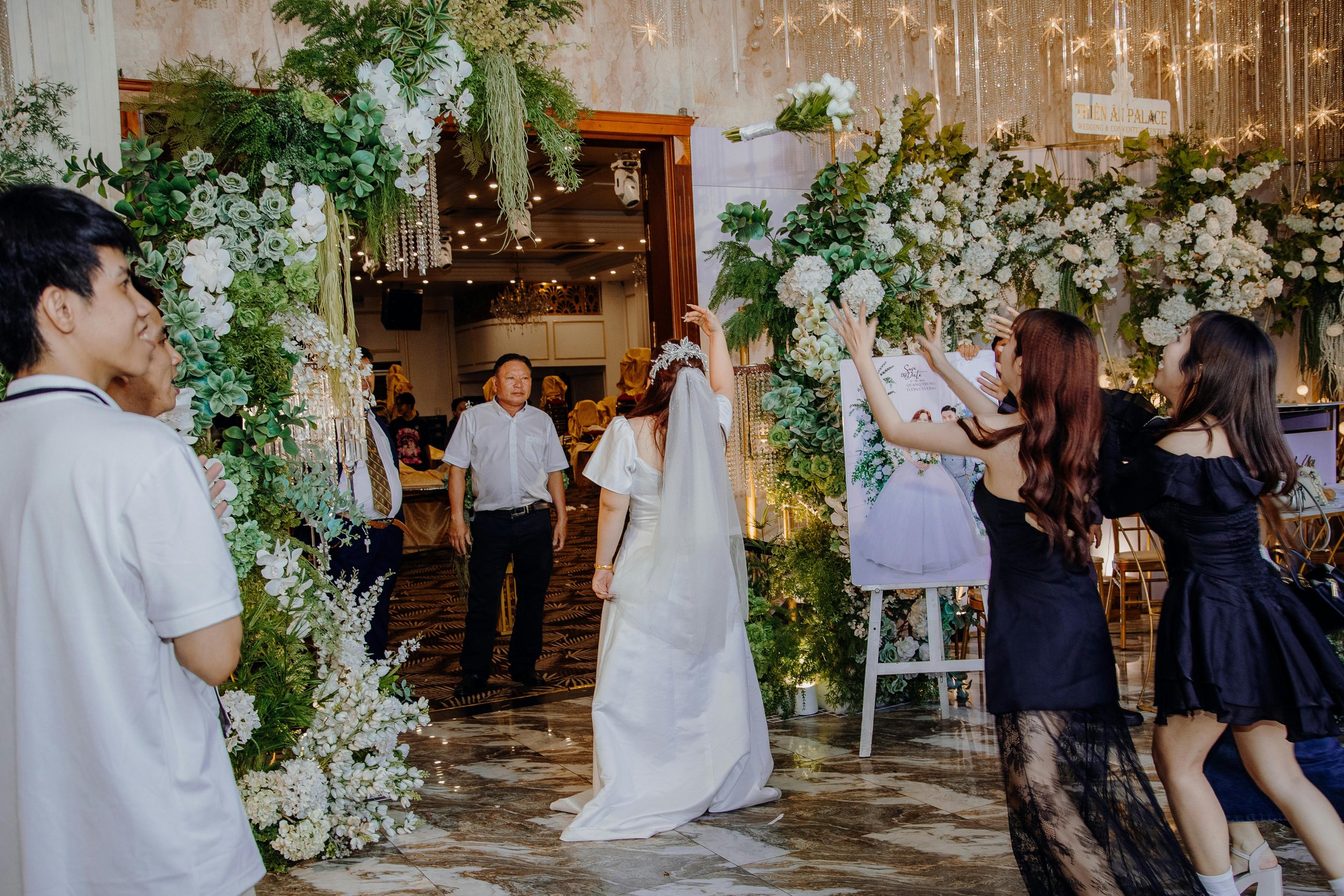
The most unforgettable celebrations are deeply personal. Weave in meaningful readings, music from your shared history, a signature cocktail inspired by a special place, or a surprise performance for your guests. Consider how to include family traditions and cultural elements authentically—tea ceremonies, henna, veils and crowns, hora dances—and explain them in your program so guests feel part of the experience. Small, intentional choices create emotional resonance that guests will remember long after the last song.
Communicate Clearly With Your Team and Guests
Clarity prevents missteps. Share a master timeline with vendors at least two weeks out, confirm arrival windows and power needs, and distribute a contact sheet with roles and cell numbers. For your wedding party, provide mini-itineraries with call times, attire notes, and transportation details. Use your website, email updates, and signage to communicate dress code, parking, unplugged ceremony requests, and social media preferences. The more your team and guests know, the smoother—and more relaxed—your day will feel.
Prioritize What You’ll Keep Forever
When budget decisions get tough, prioritize what endures: photography and videography that will tell your story for decades, meaningful music, and a ceremony that feels like you. Splurge on the items that carry emotional weight; simplify where it won’t impact the experience. After all, your wedding is both a celebration and a keepsake—choose the elements you’ll be proud to revisit year after year.
Conclusion
A perfect wedding day doesn’t rely on perfection—it relies on preparation, intention, and heart. By defining your vision, aligning your budget and timeline, elevating hospitality, and leaning on expert partners, you create the conditions for effortless joy. When your design, logistics, and personal story work in harmony, you and your guests can be fully present for the laughter, the tears, and the moments that become family legend. That’s the true measure of a perfect day.