

Music, Art, and Reminiscence Activities That Make a Difference
Written by: Elizabeth Howard
Creative expression is one of the most powerful ways to support wellbeing for older adults. Music, visual arts, and reminiscence activities invite people to connect with memory, emotion, and identity in ways that everyday routines often cannot. These experiences help reduce isolation, elevate mood, and stimulate cognition, while also giving residents and families shared moments of joy. When communities weave creative programming into daily life with intention, the benefits reach far beyond any single class or event.
Why Creative Activities Matter
Music and art tap into parts of the brain that remain accessible even as other abilities change. A familiar melody can spark recall of a long-ago moment, while a paintbrush or piece of clay can give shape to feelings that are hard to put into words. These activities encourage presence, ease anxiety, and offer a safe outlet for self-expression. They also bring structure to the day, helping residents engage with a purposeful rhythm that supports confidence and calm.
In group settings, creative programs foster connection. Singing together, working on a shared mural, or telling stories around photographs creates a sense of belonging. People who may be quiet in conversation often find their voice through a favorite song, a color choice, or a memory described in a sentence or two. That sense of being seen and heard can be transformative.
Music That Meets People Where They Are
The most engaging music programs are simple, familiar, and flexible. Live or recorded playlists built from resident preferences can turn a lounge into a welcoming gathering space. Rhythm instruments, sing-alongs, movement to music, and gentle vocal warmups help participants engage at their own pace. Short, themed sessions work well, such as songs from a particular decade or genre, or music tied to the season and holidays.
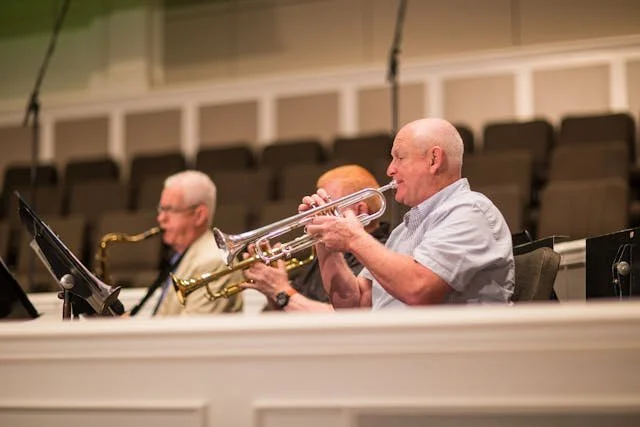
Personalizing is essential. A resident who grew up with gospel choirs may light up at harmonies, while another who enjoyed swing dancing might respond to big band standards. Keep sessions predictable in length, with water breaks and seated options. Encourage families to share favorite songs, then build mini playlists for individuals so staff can spark connection during quieter moments of the day.
Art That Invites Process Over Perfection
Art sessions should emphasize exploration, not outcomes. When participants feel free to choose colors, shapes, and textures, they build confidence and enjoy the experience. Offer easy to handle materials, such as chunky brushes, markers, collage papers, stickers, and air-dry clay. Provide visual prompts like nature photos, still life objects, or color palettes, and set up simple step by step projects that can be completed in one sitting.
Adaptive tools make a difference. Grip aids for brushes and pens, angled boards for easier reach, and smocks for mess free comfort help everyone take part. Display finished pieces in common areas and resident rooms to celebrate effort and spark conversation. Rotate themes to keep things fresh, drawing on local landmarks, traditions, and personal histories to create resonance.
Reminiscence That Builds Dignity and Connection
Reminiscence activities invite individuals to share their stories through gentle prompts. Memory boxes, photo albums, vintage postcards, recipe cards, and tactile items like costume jewelry or fabric swatches can evoke vivid recall. Small groups work best, with simple questions that welcome any level of participation. Ask about a first job, a favorite meal, a childhood game, or a song that played at a special event.
Pair reminiscence with the senses whenever possible. The smell of cinnamon, the feel of a baseball glove, or the sound of a typewriter can unlock memories that words alone may not reach. Record short audio clips of residents telling a favorite story, with permission, to share with family. These moments affirm identity and preserve legacy in a tender, practical way.
Designing Programs That Last
Sustainable programs start with clear structure and flexible delivery. Create a weekly cadence for music, art, and reminiscence, then supplement with pop up moments during afternoons or weekends. Train staff and volunteers with easy facilitation guides that include goals, timing, materials, and supportive language to use during sessions. Keep supply bins labeled and ready to roll so any team member can set up a session with little preparation time.
Partnerships expand possibilities. Invite local musicians, art students, and museum outreach teams to bring new energy, while ensuring accessibility and a calm pace. Communities like Discovery Village The West End often blend professional facilitation with staff-led programs, giving residents reliable touchpoints alongside special events. Measure impact through brief observations and family feedback, noting changes in mood, participation, and social interaction. Share success stories in newsletters and family meetings to build momentum and pride.
Making Space for Family and Community
Families are powerful partners in creative engagement. Encourage them to contribute playlists, photos, and stories, and to join sessions when they visit. Offer simple take home kits or guidance for continuing activities during outings. Community showcases, such as resident art exhibits or themed sing alongs, give families and neighbors a way to celebrate residents’ talents and histories.
Intergenerational moments add meaning. Invite school choirs, youth art clubs, or scout troops to collaborate on joint projects, with clear structure and support. These interactions broaden the circle of care and help young people learn to respect and enjoy older adults, building a more compassionate community culture.
Conclusion
Music, art, and reminiscence activities do more than fill the calendar. They help residents feel known, valued, and capable. When communities prioritize personalization, accessible materials, gentle facilitation, and consistent schedules, creative programs become a source of daily strength and joy. By weaving these experiences into the fabric of community life, residents and families gain shared moments that nourish memory, emotion, and connection in lasting ways.