

How Film and Television Shape Fashion, Music, and Everyday Trends
Sometimes you can trace a trend back to the catwalk at Paris Fashion Week but just as often, you can trace it back to the silver screen. Film and television have a habit of influencing what we wear, what we listen to and even where go on holiday.
A character’s jacket suddenly appears everywhere; an old song finds a completely new audience or a television series makes an overlooked hobby unexpectedly fashionable. The strongest screen influences can linger for decades, occasionally disappearing before another generation discovers them and starts the cycle all over again.
When fictional characters change real wardrobes
Costume designers understand that clothes can introduce a character before dialogue ever does. Audrey Hepburn’s elegant looks in films such as Breakfast at Tiffany’s, Cher Horowitz’s checked outfits in Clueless and Carrie Bradshaw’s eclectic wardrobe in Sex and the City all became inseparable from the characters wearing them.
That influence rarely requires viewers to copy an outfit exactly. A silhouette, colour combination, hairstyle or accessory can be enough to spark something bigger. More recently, Bridgerton has encouraged renewed enthusiasm for romantic Regency-inspired details, while Wednesday gave gothic dressing another mainstream moment. Screen fashion works because audiences spend time with these characters. Their clothes gradually become familiar, desirable and, eventually, surprisingly easy to imagine wearing ourselves.
When the soundtrack becomes a star
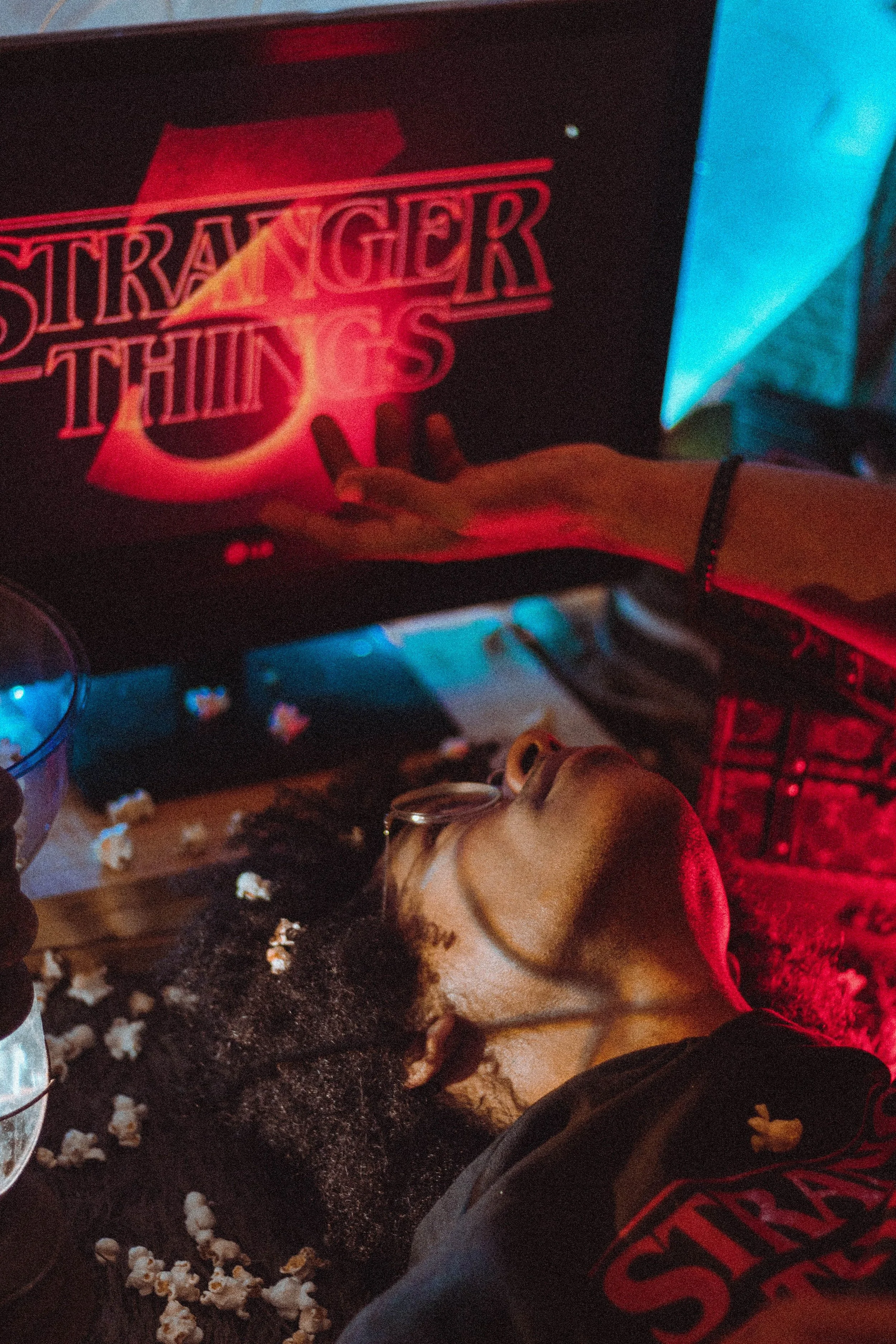
The right song can completely change the feeling of a scene, while a memorable theme can become impossible to hear without immediately picturing the programme attached to it. Film and television can also give existing music an extraordinary second life. Kate Bush’s Running Up That Hill, originally released in 1985, reached an entirely new generation after appearing prominently in Stranger Things. Suddenly a song almost four decades old was everywhere again.
The same thing happens with film soundtracks, whether it’s the disco revival surrounding Mamma Mia!, the retro rock of Guardians of the Galaxy or a carefully selected track suddenly becoming inseparable from a particular scene. Screen stories provide music with context, and sometimes that context is powerful enough to make listeners hear an old song as though it were brand new.
Why some screen trends never really disappear
Certain films and programmes simply refuse to stay in their own decade. Younger viewers discover them through streaming, recommendations from family and friends, social media clips or physical collections, while long-standing fans continue returning to favourites in Ultra HD on blu ray.
That repeat viewing keeps old clothes, songs and ideas circulating in the minds of viewers and in popular culture. A 1990s film can inspire somebody’s wardrobe in the 2020s, while a forgotten song can suddenly become part of another generation’s soundtrack. Because great stories and great songs never get old.
Ultimately, fashion always changes, music evolves and viewing habits move on, but screen culture has an unusually long shelf life. The most influential films and television programmes don’t simply capture the trends of their moment but create the ones we’re still following religiously many years and even decades later.