

A Dog Parent’s Guide to Setting Boundaries With Strangers and Other Dogs
Written by: Rayanne Morriss
Being a dedicated dog parent means protecting your dog’s emotional wellbeing as well as their physical safety. One of the most effective ways to do this is by establishing boundaries during interactions with strangers and unfamiliar dogs. While most encounters are harmless, some situations can escalate quickly. Clear boundaries help reduce stress, prevent misunderstandings, and lower the risk of conflicts that could injure you or your dog. Preparing for these interactions also gives you a plan to follow if something unexpectedly goes wrong.
Understanding Your Dog’s Signals and Stress Points
Dogs communicate constantly through body language, and becoming fluent in these signals helps you intervene before a situation becomes risky. A comfortable dog moves freely with relaxed muscle tone, steady breathing, and soft eyes. When that comfort shifts, the signs may be subtle at first. Look for stiff posture, low growling, tail tucked, raised hackles, or repeated attempts to move away.
These early warnings show that your dog may not want to interact with a stranger or another animal. When you notice these cues, calmly guiding your dog away from the source of stress helps prevent escalation. This consistent advocacy builds trust. Your dog learns that you will step in when they feel uneasy, which reduces anxiety during future encounters.
Communicating Clear Boundaries to Strangers
Although many people feel naturally drawn to dogs, not everyone understands canine boundaries. Some may approach too quickly, try to pet without permission, or encourage interactions that make your dog uncomfortable. Effective communication is key. Simple statements such as “Please give us some space” or “My dog is not greeting right now” set expectations politely.
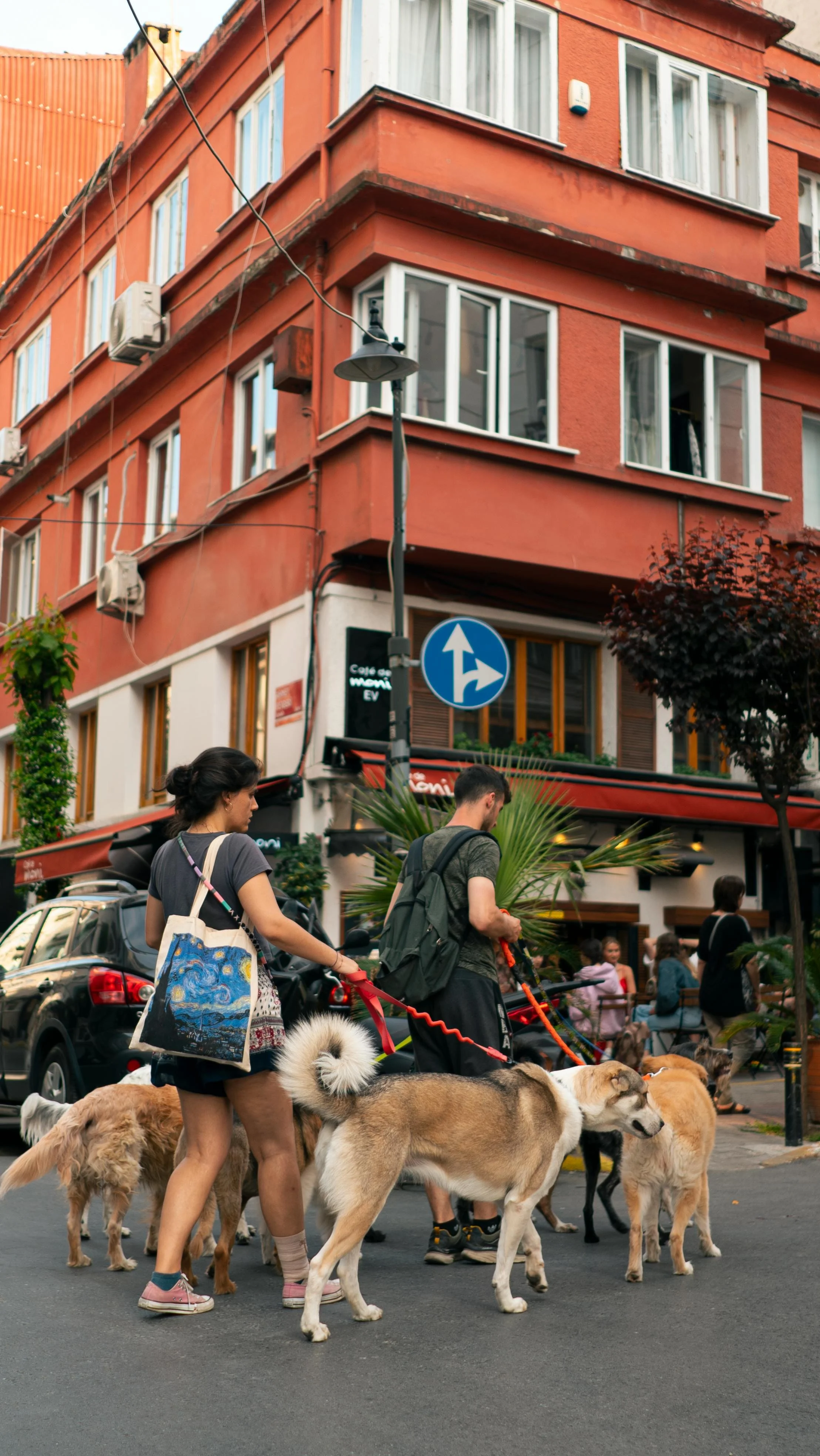
Confidence matters. When you speak with steady assurance, strangers are more likely to respect your boundary. Positioning yourself between your dog and the other person is another useful tool. This technique prevents unwanted contact and physically reinforces your message. If someone continues toward you despite your request, the safest choice is to walk away. Protecting your dog takes priority over avoiding social discomfort.
Managing Dog to Dog Interactions Safely
Encounters with unfamiliar dogs can go smoothly or take a sharp turn depending on each dog’s temperament and the environment. Even friendly dogs may react unpredictably when startled or overstimulated. Before allowing two dogs to meet, ask the other handler about their dog’s behavior and share information about your dog honestly. If either animal shows tension or appears overly excited, it is better to skip the greeting altogether.
Leashed greetings, when they happen, should be brief and controlled. Many problems arise when leashes tangle or dogs approach too closely without enough space to adjust their movements. If your dog prefers not to meet other dogs, respecting that preference is essential. Avoiding unnecessary contact reduces the chance of aggressive behavior or defensive reactions. In the unfortunate event that another dog behaves aggressively or injures you or your dog, contacting professionals such as dog bite lawyers in MA or your area can help you understand your options for reporting the incident and protecting your rights.
Using Training and Tools to Support Safe Boundaries
Training plays a major role in safely navigating public interactions. Commands like “watch me,” “leave it,” or “this way” redirect your dog’s attention away from stressors. Positive reinforcement strengthens these cues, creating a reliable communication system between you and your dog.
Certain tools can also help maintain boundaries. A sturdy harness gives you more controlled guidance without straining your dog’s neck. Long lines allow exploration in open spaces while still giving you the ability to intervene quickly. Some dog parents also use visual indicators such as color coded leashes or harnesses labeled “Do Not Pet.” These signals cue others to maintain distance and reduce unwanted interactions.
Knowing What to Do if an Encounter Goes Wrong
Even well trained dogs and alert owners can find themselves in a dangerous situation. If another dog charges or behaves aggressively, try to remain as calm as possible. Avoid grabbing collars or placing your hands between fighting dogs, since this can lead to serious injuries. Instead, use loud verbal cues, create distance if possible, and prioritize your own safety.
If a bite or injury occurs, seek veterinary and medical care right away. Exchange information with the other dog’s owner, gather witness statements, and document what happened with photos or notes. Reporting the incident to local animal control may be necessary, especially if the aggressive dog has a history of similar behavior. Thorough documentation protects your dog and can help prevent future incidents involving the same animal.
Conclusion
Setting boundaries with strangers and unfamiliar dogs is a central part of responsible dog parenting. By understanding your dog’s body language, communicating clearly, managing greetings with caution, and preparing for unpredictable situations, you create a safer experience for both you and your pet. Thoughtful preparation not only prevents many conflicts but also gives you the confidence to respond effectively if a situation turns unsafe. Your role as your dog’s advocate is essential, and the boundaries you establish make every walk, outing, and interaction more secure and enjoyable.