

5 Signs Your Loved One May Need Assisted Living
Written by: Sierra Powell
Watching a parent or loved one age brings both privilege and challenge in equal measure. As family members grow older, their needs shift in ways that aren't always immediately obvious. Many adult children find themselves quietly wondering whether aging parents can truly continue living independently, or if it's time to consider additional support. Recognizing when someone needs help ranks among the most important decisions families face, and understanding the warning signs can make this transition smoother and safer for everyone involved.
Difficulty Managing Daily Personal Care Tasks
When seniors begin struggling with basic activities of daily living, bathing, dressing, using the bathroom independently, it often signals a significant decline in functional ability. You might notice your parent's clothing appears wrinkled or soiled more frequently, or they're wearing the same outfit for several days running. Personal hygiene may deteriorate, with signs like unwashed hair, body odor, or neglected oral care becoming more apparent during visits.
These changes don't necessarily indicate laziness or lack of concern. Rather, they often reflect genuine physical limitations, cognitive decline, or mobility issues that make these tasks difficult or even unsafe to perform alone. Depression can also play a significant role here, reducing motivation for self-care activities that once came naturally. When someone who's always taken pride in their appearance suddenly stops caring for themselves, it's worth having a gentle conversation about what's changed.
Noticeable Changes in Home Maintenance and Cleanliness
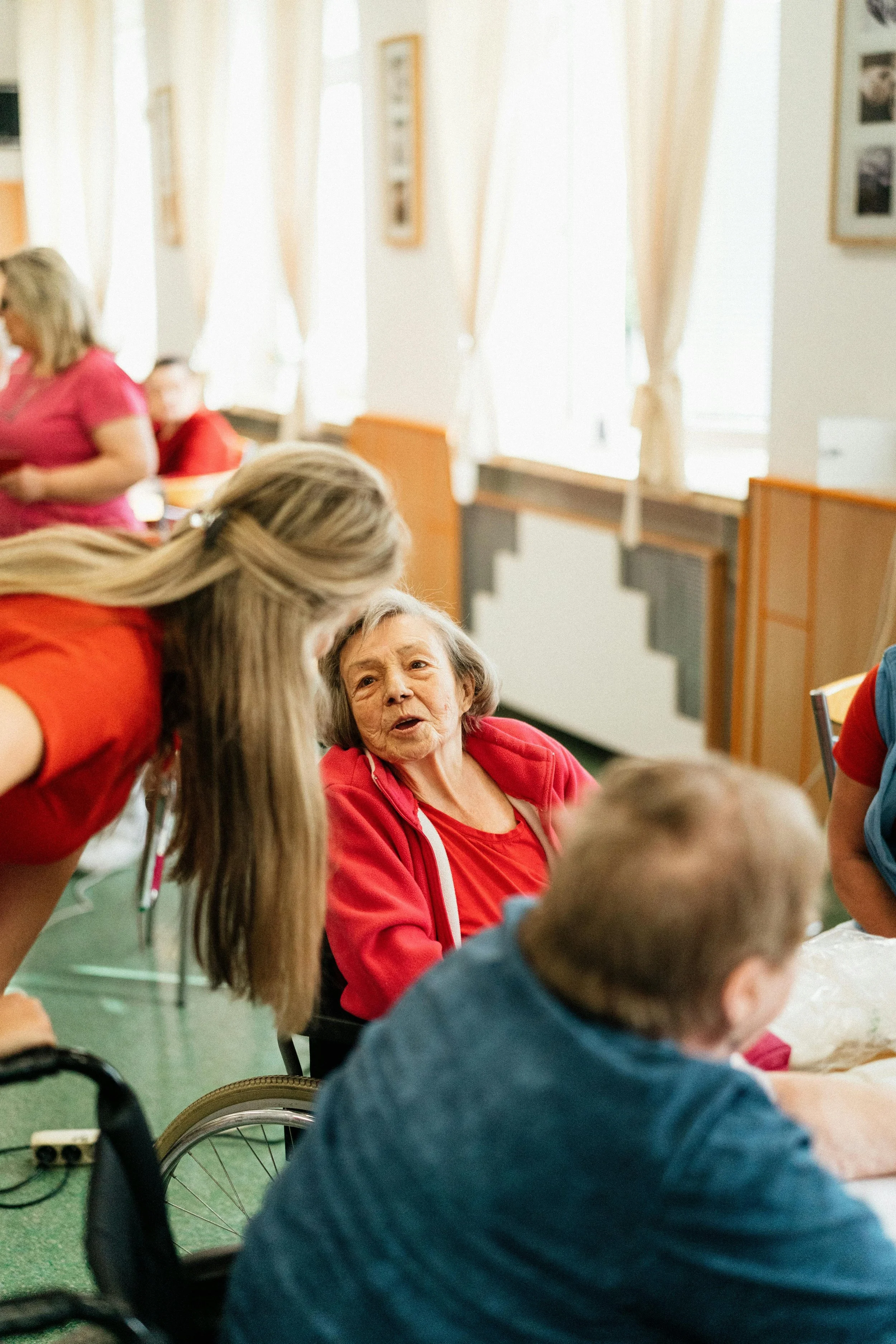
A previously well-maintained home that suddenly becomes cluttered, dirty, or disorganized can serve as a clear warning sign. When you visit your loved one, take note of whether dishes pile up in the sink, spoiled food sits in the refrigerator, or laundry accumulates unwashed in corners. The home environment often reflects a person's capacity to manage their daily life, and a decline in housekeeping standards may indicate that routine tasks have become genuinely overwhelming.
Beyond simple tidiness, look for more concerning signs like unpaid bills stacking up on the counter, missed medication doses, or forgotten appointments marked on the calendar. You might also notice burnt pots on the stove (suggesting difficulty with meal preparation) or a general sense of disorder that's uncharacteristic of your loved one's usual habits. These changes can stem from physical exhaustion, memory problems, or simply the overwhelming nature of managing a household alone. When someone can no longer safely or effectively maintain their living space, it may be time to consider environments where housekeeping, meal preparation, and daily maintenance come as part of the living arrangement.
Increased Social Isolation and Withdrawal
We're inherently social creatures, and meaningful connections become even more important as we age. If your loved one has stopped participating in activities they once enjoyed, rarely leaves the house anymore, or has significantly reduced contact with friends and family, these behavioral changes deserve serious attention. Social isolation can result from various factors, mobility limitations that make leaving home difficult, loss of a spouse or close friends, inability to drive safely, or cognitive changes that make social interactions feel confusing or exhausting.
You might notice your parent declining invitations to family gatherings they previously cherished, stopping attendance at religious services they once valued, or no longer participating in hobby groups or volunteer activities that gave them purpose. This withdrawal can create a dangerous cycle where isolation leads to depression, which further decreases motivation to engage with others. Prolonged loneliness has been linked to serious health consequences, including increased risk of dementia, heart disease, and even shortened lifespan.
For seniors who need regular social engagement and structured activities, assisted living services can provide built-in companionship and organized programs that help combat isolation and promote emotional wellbeing. Sometimes what looks like choosing to be alone is actually feeling trapped by circumstances beyond one's control.
Frequent Falls or Mobility Concerns
Physical safety becomes paramount when evaluating a loved one's living situation. Multiple falls, near, misses, or unexplained bruises and injuries should raise immediate red flags about their ability to navigate their environment safely. Even a single serious fall can have devastating consequences for older adults, potentially resulting in broken bones, head injuries, or permanent loss of independence.
Beyond actual falls, watch for signs of declining mobility like difficulty rising from chairs, unsteady gait, excessive reliance on furniture or walls for balance, or reluctance to use stairs. Your loved one may stop going to certain areas of their home because they've become difficult to access. You might notice adaptive behaviors like scooting on their bottom rather than walking, or gripping countertops with white knuckles while moving through the kitchen.
Vision problems, medication side effects, muscle weakness, and chronic conditions like arthritis can all contribute to fall risk. Home modifications can help to some extent, installing grab bars, improving lighting, removing throw rugs. But when falls become frequent despite these precautions, it may indicate your loved one needs an environment designed specifically for senior safety, with features like emergency call systems, grab bars throughout common areas, and staff available to provide immediate assistance.
Memory Loss and Cognitive Decline
While occasional forgetfulness is a normal part of aging (who hasn't walked into a room and forgotten why? ), significant or progressive memory problems require careful evaluation. Concerning signs include forgetting to take medications, getting lost in familiar places, repeatedly asking the same questions within minutes, missing appointments, or having trouble managing finances they've handled competently for decades.
Your loved one might leave the stove on after cooking, forget they've already eaten lunch, or become confused about what day or time it is. More advanced cognitive decline may manifest as difficulty recognizing familiar faces, inability to follow conversations they would have easily understood before, poor judgment in decision, making, or personality changes that seem out of character. These symptoms could indicate conditions ranging from mild cognitive impairment to various forms of dementia, including Alzheimer's disease.
Living alone with significant memory problems poses serious safety risks, wandering, vulnerability to scams, medication errors, and inability to respond appropriately in emergencies. Professional care environments can provide structured routines, medication management, cognitive stimulation activities, and secure settings that allow individuals with memory concerns to maintain dignity and quality of life while ensuring their safety and wellbeing.
Chronic Health Conditions Requiring Regular Management
Managing complex medical needs becomes increasingly challenging with age, particularly when multiple chronic conditions require careful coordination. If your loved one has conditions like diabetes, heart disease, COPD, or kidney disease that demand regular monitoring, strict medication schedules, dietary restrictions, and frequent medical appointments, independent living may become unsafe or impractical.
Warning signs include missed doctor appointments, confusion about medication instructions, failure to monitor blood sugar or blood pressure as directed, or repeated hospitalizations for preventable complications. You might discover expired medications in the cabinet, prescriptions that haven't been filled on time, or evidence that medications aren't being taken correctly, like a weekly pill organizer that's still full on Thursday.
Some seniors intentionally skip doses to save money or simply forget due to complex regimens involving multiple pills at different times throughout the day. Professional care settings offer medication management services, regular health monitoring, coordinated care with healthcare providers, and immediate access to assistance if health concerns arise. This provides peace of mind for both seniors and their families, knowing someone's watching over these critical health needs.
Conclusion
Recognizing these five signs, difficulty with personal care, declining home maintenance, social isolation, mobility concerns, and cognitive or health management challenges, can help families make informed decisions about their loved one's care needs. While acknowledging that a parent or spouse may need additional support can be emotionally difficult, taking action ensures their safety, health, and quality of life. Open, compassionate conversations about these observations, combined with professional assessments from healthcare providers, can guide families toward the most appropriate care solutions.
Remember that seeking additional support isn't giving up on independence, it's providing the foundation that allows seniors to live their best possible lives with dignity, security, and meaningful engagement. Every situation is unique, and what works for one family may not suit another. But recognizing these warning signs early allows for proactive planning rather than crisis-driven decisions made in emergency rooms or after a serious accident. Your loved one deserves the opportunity to age with grace, surrounded by support that honors both their autonomy and their safety.