

5 Selfie Secrets: How to Capture Your Best Angle Every Time
Written by: Ella Taylor
Some people are just good at taking selfies. It’s almost as if they were born with the talent to snap a perfect shot of themselves every time they reach for the camera. But behind every good selfie is sometimes years of practice and experimentation with the right lighting and angles. If no one taught you how to pose and take selfies, here are five secrets to help you capture your best angle every time.
Good Lighting Source
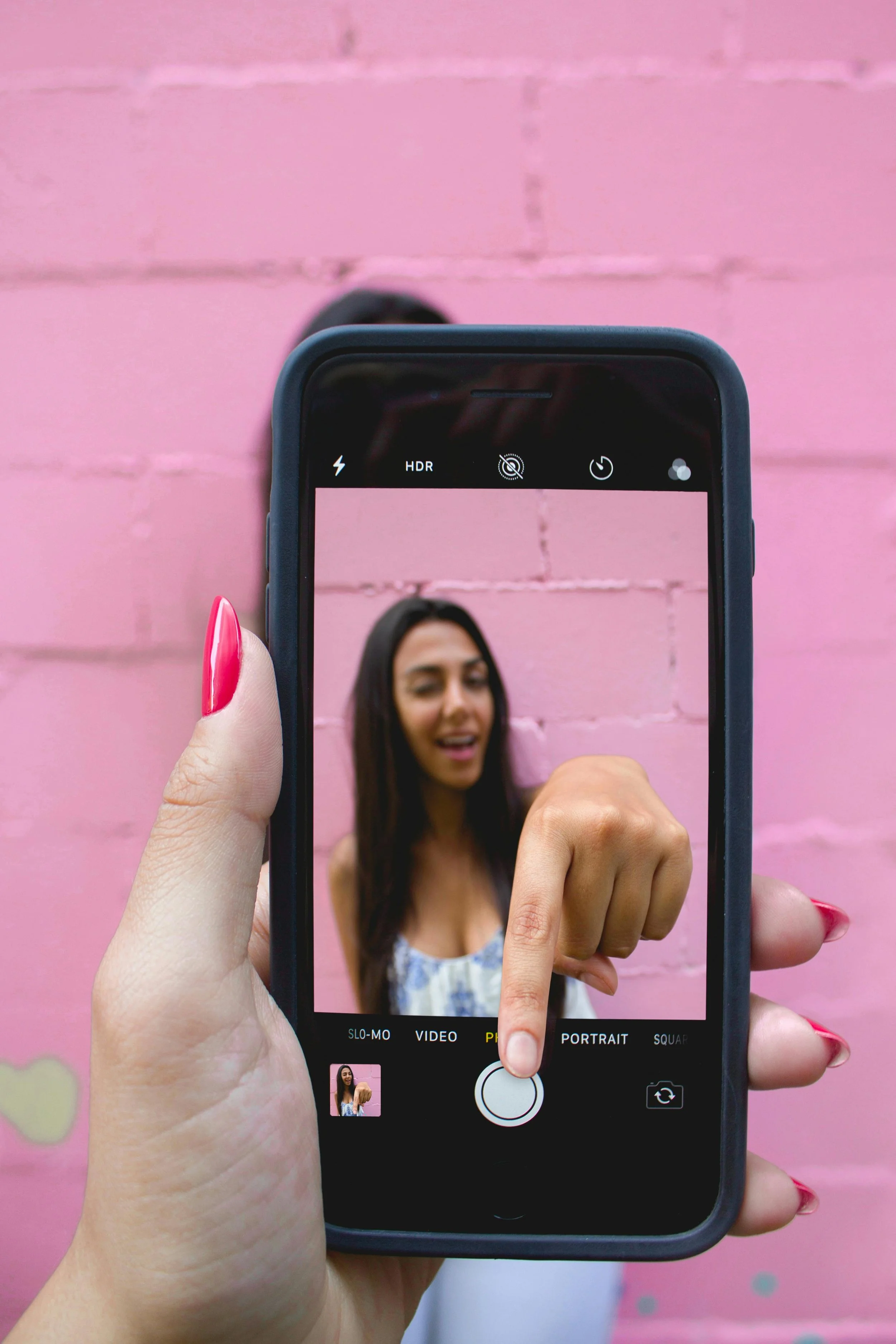
Lighting controls the mood before anything else. People keep trying to fix angles when the real culprit is the shadows that look unnatural. A gentle, even light softens things, and faces look more awake, even when the day has already taken half the energy away.
Despite having the option to choose between hundreds of light rings on the market, natural light still works best for most people. But running outside is not always possible. In that case, rely on windows and use curtains to control the light intensity and direction.
The goal here is to ensure the lighting is not flat and monotonous. You want to create shadows and be able to play with angles so that your face ends up looking more sculpted. Now, you can always increase the intensity of shadows, so don’t be disappointed if the photos still look flat at first. You can fix that during editing. What matters is to find a way to place yourself in light that gives your features some depth before the camera even starts working.
Backgrounds That Respect the Moment
Create a good background, and you’ve done half the work already. There should be nothing distracting behind you. Choosing a clean or softly textured backdrop keeps the face in focus. Sometimes, even something unusual can work, like the sleek frame of a hydroponic tower with lush greenery and maybe a modern lamp to create balance.
Outdoor backgrounds create mood, too, but they require balance. A bright blue sky can overpower a face if the camera adjusts its exposure too aggressively, but then again, thank God for editing software. If you want something that requires less work, standing near a tree or wall will ground the image.
Indoor settings can be great when the colours do not clash with skin tone. Muted tones tend to support the scene. Every background carries energy, and the trick lies in choosing one that supports the person instead of competing with them.
Finding Your Best Angle
Angles hold a mood all on their own. Holding the phone too low gives a perspective that almost never does justice, unless someone is intentionally going for drama. If you have one, now is the time to use a flexible phone holder. Not only are these great for stability, but once you find a good phone angle, you don’t have to adjust every time you retake a picture.
When posing, you should go for a slightly higher angle because this one feels more natural, making you look confident and open. It also helps show off that great jawline of yours. Subtle angles that can be achieved by tilting the chin forward or tilting your posture slightly to your more dominant side are great for building structure.
You want to make small adjustments when experimenting. For example, you can move the lens a few centimetres to the left or lean back into the frame before going for a different pose. That way, you’ll have a detailed sense of what actually flatters your face instead of just guessing every time.
Unique And Natural Expression
Expressions can betray tension before anything else. If you’re like most people who shy away from cameras because it makes them too conscious about themselves, that’s totally normal. But, if you don’t fix it, there’s a chance the results will end up too stiff. Luckily, just as it’s easy to feel awkward in front of a camera, it’s also easy to fix it.
The first thing you want to do is work on relaxing your jaw. You aren’t in the trenches; you can unclench it for a minute or two. Then, slightly squint your eyes to create an effect similar to laughter, even if nothing funny is happening. This brings out warmth without forcing it. When the face feels too serious, lifting the eyebrows just a little can soften the mood.
And if you still feel awkward, film yourself doing this over and over again, and then take screenshots. Over time, this will require less effort, but you need to practice regularly.
Manufacturing Confidence
Many people wait until they feel like they’re perfect to start generating confidence. But is it really confidence if it’s only there when you’re feeling like you’re perfect? Confidence follows action, not the other way around. So, take that picture, and if you don’t feel confident, take it again, and again, and again.

Confidence can be practised. Standing tall for a second before snapping the picture changes your posture and breathing. Taking a small breath through the nose and exhaling slowly settles the shoulders and helps the neck look relaxed.
The more you do it, the more confident you’ll feel in your skin. You’re not feeling confident at the moment because you don’t usually take this kind of action, and now your body feels weird doing it. Luckily, you have control over that. Repetition is key.
Conclusion
Selfies are not shallow habits. They are small, creative documents of how someone moves through the world. Each attempt captures mood, identity, and little glimpses of personal evolution. There is freedom in taking the time to understand these factors so that you can end up with good results every time.