5 Benefits of Lifelong Learning for Older Adults
Written by: Miranda Spears
Here's a question worth sitting with: what if the single best thing you could do for your health had nothing to do with pills or gym equipment? Turns out, many older adults stumble onto something surprising — that staying curious, staying engaged, keeping the mind working — opens doors they didn't expect. Meaning. Friendship. A reason to get up in the morning. Formal classes, community workshops, self-directed reading at midnight — it doesn't much matter. The benefits run far deeper than any single lesson.
Improved Cognitive Function and Memory
The brain needs challenge. Think of it like a muscle that softens without use — except the stakes are higher. When older adults tackle something genuinely unfamiliar, new neural pathways form. Existing connections get reinforced. Research organizations tracking cognitive programs over time have found consistently that people who keep their minds active show sharper recall and clearer thinking than those who don't. The subject matter is almost beside the point.
A new language. Local history. Photography. Whatever was always interesting but somehow never made it to the top of the list. Each pursuit demands focus, retrieval, formation of fresh memories. And here's something many older adults notice firsthand: information sticks better when it actually matters to them. Personal motivation outperforms obligation. Almost every time.
Greater Social Connection and Reduced Isolation
Learning rarely happens in a vacuum. Classrooms, study groups, workshops — these spaces generate something beyond instruction. They create people worth knowing. For older adults navigating smaller social circles after retirement or a move, that matters enormously. Shared learning gives people real things to discuss. Not small talk. Actual common ground.
A painting class. A book club. A lecture series on Tuesday afternoons. Each one brings older adults into regular contact with peers who showed up for the same reason. Studies on social engagement have documented what most of us already sense — people with steady social connection report higher satisfaction and better health outcomes across the board. Those bonds can outlast any single program by years. For communities where cognitive well-being is central — places like GLOW® Memory Care in Knightdale, NC — structured enrichment programs built around ongoing learning aren't extras. They're how residents stay connected and find purpose day to day.
Increased Sense of Purpose and Achievement
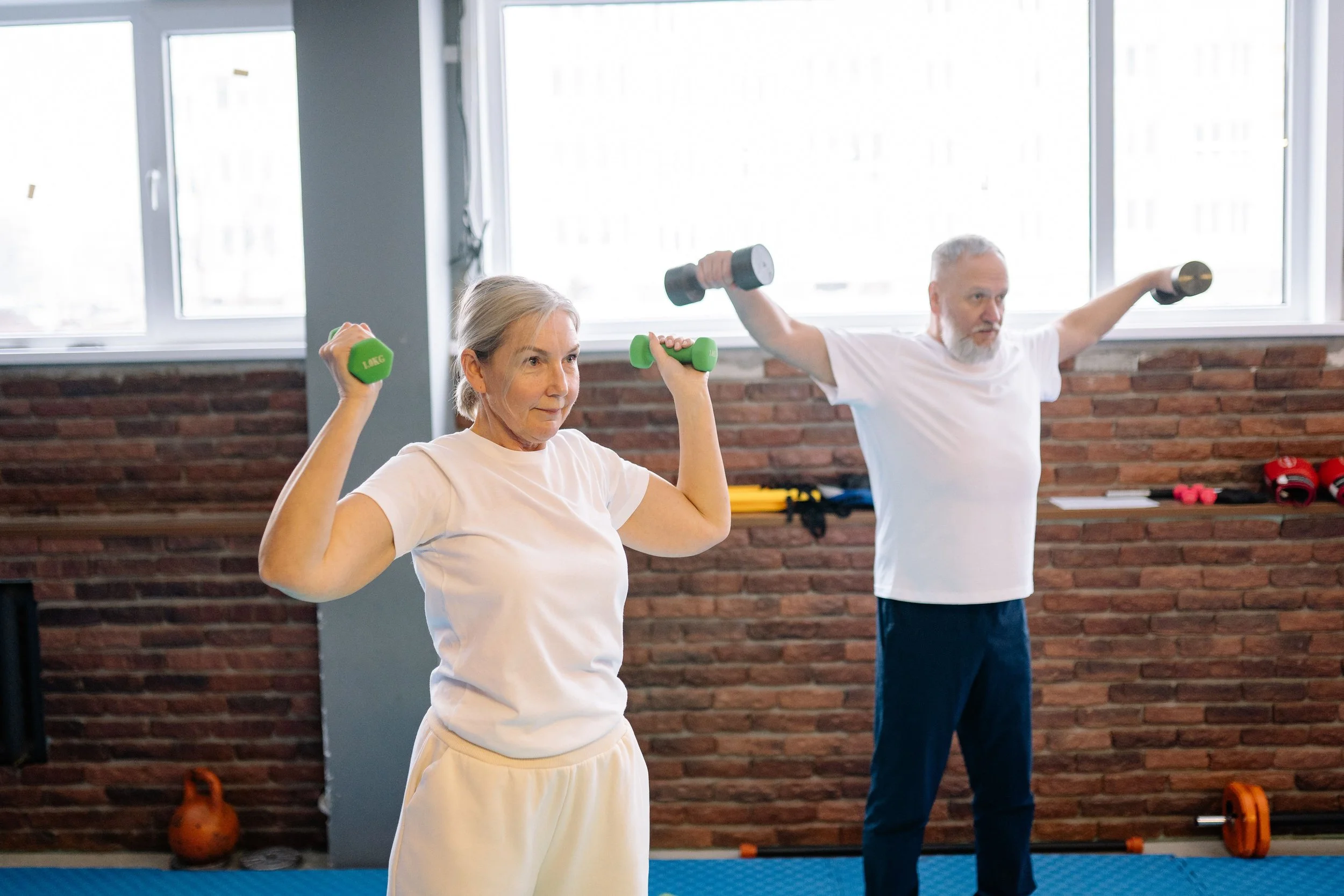
Finishing something hard feels good. At any age. When an older adult completes a course, masters a skill they'd been chasing, or finally understands something they'd long wondered about — that's real. It shifts how they see themselves. Reinforces the idea that engagement with life still has value. Still has somewhere to go.
Many older adults describe these experiences as genuinely revitalizing — especially when the subject is one they chose, not one they felt pressured into. That painting class they kept putting off. New technology that finally clicks. A historical period explored in actual depth. Moving from confusion to real understanding produces something lasting. Researchers have linked this kind of purposeful engagement to greater resilience, lifted mood, and more positive day-to-day outlook. For many, learning becomes a way of redefining who they are — beyond old job titles, beyond previous roles.
Enhanced Digital Literacy and Independence
Technology isn't going anywhere. Finances, family contact, health information — it all runs through screens now. Older adults who build digital skills gain something concrete: the ability to handle modern life on their own terms. Many communities offer classes designed specifically for this — basic computer use, smartphone apps, online safety. Practical stuff.
Once comfortable, an older adult can video-call grandchildren across the country, book their own appointments, explore interests through online resources, and spot a scam before it costs them anything. That confidence compounds. It removes reliance on others for routine tasks. And beyond the practical — digital literacy opens up enormous libraries of information and entertainment, available whenever. Most people find that once the initial hesitation breaks, technology becomes a doorway rather than a wall.
Better Overall Health and Longevity
Cognitive engagement, social connection, purpose — these don't stay neatly in their lanes. They combine. They reinforce each other. And the physical effects are real. Research organizations have documented lower rates of certain age-related health concerns among older adults in regular learning programs, along with consistently better self-reported wellness. Stress reduction from meaningful activity and genuine friendship shows up in blood pressure, immune function, general well-being. Not as side effects. As findings, replicated across multiple areas of study.
There's also the structural piece. Having somewhere to be, something to do — it shapes the rest of the day. Older adults in active learning programs often sleep better. Eat better. Feel more motivated to maintain physical health. The whole system tilts toward vitality when cognitive stimulation, social engagement, and purpose are working together. Learning won't stop time. But it changes the quality of the time that's there.
Conclusion
Lifelong learning is one of the most accessible things older adults can invest in — for themselves, on their own schedule, at any point they choose. The payoff spans cognitive sharpness, genuine friendship, personal achievement, digital independence, and physical health. These advantages don't stay separate. They accumulate, layer over layer, building something that looks a lot like a well-lived later life.
No special talent required. No particular educational background. An older adult can start learning something new today — through a class, a community program, a library book, an online video at 10pm. The only real prerequisite? Curiosity. A willingness to lean toward something unfamiliar. For those who want their later years to mean something — to feel connected, purposeful, genuinely engaged — this is a path with real evidence behind it.